Are You Judgmental? Or Do You Fear Being Judged? The Misery that Arises from Both Sides of the Judgement Coin.

miserable

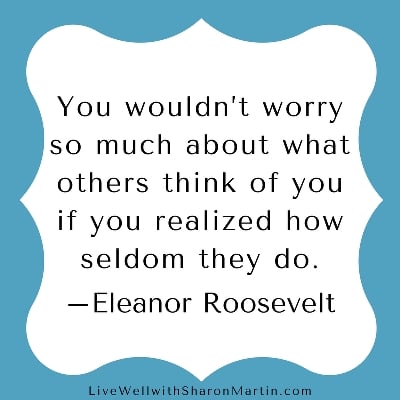
Nobody cares what you think.

Alright.  That might sound a little harsh. Let me roll it back a little bit.  I will be fair here. Maybe a few people do–hopefully your parents do. And your kids if you have them. Your partner. And possible a few people in your inner circle of close family and friends.
But for everyone else you come in contact with? They don’t care.

I personally find this truism very liberating.  There is such freedom in realizing no one cares what you think. Most people spend their days thinking about themselves, not the other people around them.

In general, people feel what they feel, think what they think, do what they do. Nothing you say will likely get anyone to change their mind. Have you ever read someone’s political post or read a comment that you disagreed with and thought, “Hmm they ARE right, I am going to change my mind.” That would be the anomaly not the norm. People tend to be pretty entrenched in their opinions especially the older they get. There is a reason for the saying it is hard to teach an old dog new tricks! The truth is most people are not moved by the opinions of others, particularly, if they have a strong sense of themselves and their own values.

The reason I felt this topic was important to write about is as a therapist, I have seen people who are so CONSUMED by what other people think, it inhibits their life.

As a clinician, I have heard time and time again, “Well, what would they think?” The answer is WHATEVER it IS, it doesn’t matter because in all likelihood whatever they (whoever “they” are) thinks will be forgotten about quickly. Most people do not have the time in the day to spend thinking about you, your mistakes, your choices. Human nature being what it is-people are egocentric.

For some of us, this is just a given. But for others, who struggle with worries about what other people think, this is something they may need to hear.

It is our OWN egocentrism in thinking people are that concerned with us and are paying THAT close of attention to our lives. Yet this is a common presenting problem I see that brings people into counseling. Many people, across all age groups, struggle with worrying about what other people think of them.

At certain times in our life, this is normal. Being worried about what other people think is developmentally appropriate during adolescence when we are in the stage of having an “imaginary audience” where one thinks other people are paying close attention to him or her and watching their every move closely.

However, as you mature, if you still continue to think that other people are paying that close of attention to you-you may be stuck in an adolescent stage of development. During adolescence it is also normal to have a “personal fable” where one thinks they are unique and special. But this egocentrism is supposed to be a stage we develop and mature out of. It is appropriate when you are 15 to have a personal fable with its corollary the imaginary audience, but it is not appropriate when you are 35.
ab2

Realizing this, we need not let ourselves be consumed by the opinions of others, as they really aren’t paying that close attention to us in the first place.

If there is in fact someone out there fixating on you and your life, that is unhealthy. Unhealthy for them, not you! (unless of course the person in question is a celebrity or politician or some public figure–I follow the news on some of these folks closely myself!)

But this is good news–knowing that other people do not care what you think should bring a sense of relief. Realizing this should help you become comfortable with not caring what other people think either.

Now when I say you shouldn’t care with what other people think, I don’t mean you should be rude. Or impolite. Or inconsiderate. Or disrespectful. What it means is you should live your life according to YOU. And your values. Without worrying about how other people will react to your decisions and choices.

It is just not psychologically or emotionally healthy to live your life for the approval and validation of others.

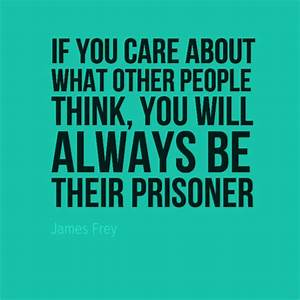
I have seen so many people who live in fear of what other people think–prisoners of their own making. It is a recipe for misery.

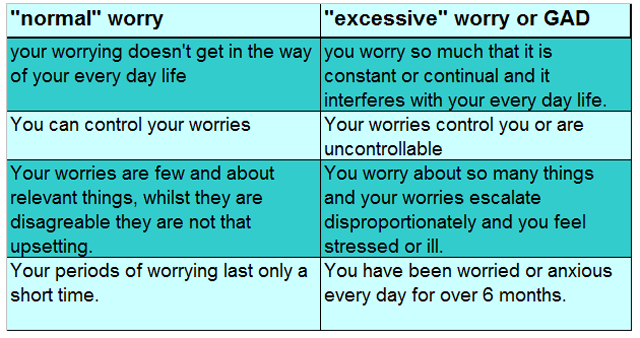
I often find these same people who fear others’ judgement are the same people who judge others the MOST.

We all struggle with being judgmental to a certain extent from time to time. Judging is just so easy, it is the path of least resistance. We judge everything we can about other people: how they look, their politics, their bodies, their Facebook posts, career choices, parenting choices, choice of partner. We may judge so much it can become a way of life for us.

But I need to tell you something.

It is a big waste of time.

Not only do most other people not care about your judgments, being judgmental makes YOU miserable. Not the person you are judging.

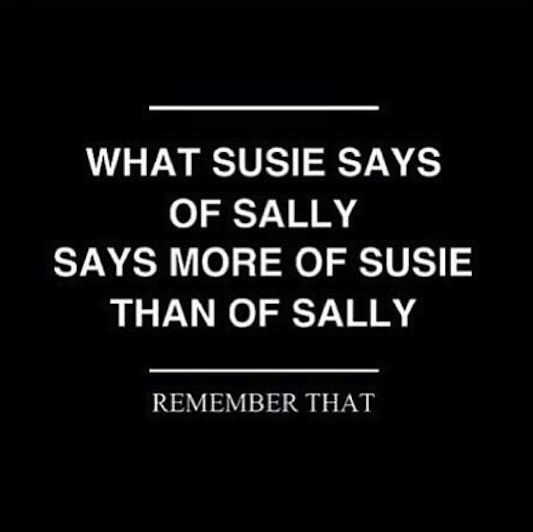
Other people’s judgments really do say more about them than the person they are judging. Most people tend to use our own metrics (biased in favor of themselves of course) to judge others.
a1

It explains:

~Why married people tend to think marriage is preferable to being single

~Why single people think being single is preferable to being married

~Why people who are parents think it is better than people who choose not to have kids

~Why people who choose not have kids think it is better than people who choose to become parents

~Why stay-at-home moms think they are better mothers than moms who work

~Why working moms think they are better mothers than moms who stay-at-home

~Why people in the private sector think their work is a better choice than people who work in the public sector

~Why people in the public sector think it is a better choice than people who work in the private sector

Get the gist? 

Notice our judgments tend to validate our own life choices.

When we judge, we get an instant hit of self-righteousness.  It is basically us congratulating ourselves for our great choices (and remember, this isn’t other people congratulating us, this is us patting ourselves on the back).

But the more we judge, the less tolerant we become.

The less tolerant we become, the more conflict we will have with other people.

The more conflict we have in our lives the more miserable we will be.

I write this with the hope that if you are someone who is so consumed with the worries of what other people think, that you gently realize, most people are caught up in the things going on in their own lives. That you should lighten up and live as you please without the fear of what other people will think. We humans are very egocentric beings. People are worried about hiding their own imperfections from the world, not focusing on yours.

a2.jpg

And if you find you have developed the habit of judging, and you have a lot of anger in your heart, you would do well to seek support. Being judgmental keeps others at a distance and creates misery for you and others–most of all you!

ab1

If you enjoyed this article and are interested in seeking counseling with me:

https://www.psychologytoday.com/us/therapists/erin-doyle-theodorou-nutley-nj/243617

Erin Doyle Theodorou, M.Ed, LPC, NCC

THEODOROU THERAPY, LLC

590 Franklin Ave.

Suite 2

Nutley, NJ 07110

973-963-7485

etheodorou@theodoroutherapy.com
If you enjoyed this article and are interested in seeking counseling with me:

https://www.psychologytoday.com/us/therapists/erin-doyle-theodorou-nutley-nj/243617

Erin Doyle Theodorou, M.Ed, LPC, NCC

THEODOROU THERAPY, LLC

590 Franklin Ave.

Suite 2

Nutley, NJ 07110

973-963-7485

etheodorou@theodoroutherapy.com
Beware of Aggressive Personalities: The Wolves Who Feast on Sheep in Our Increasingly Narcissistic Society

Have you ever felt something was just not right with someone? You can’t quite put your finger on it but something feels off.

Yet outwardly this person seems benign enough. So you let it go.

Then as time passes little things start to happen. An inappropriate remark here. A cutting comment there. Repeatedly doing things that just don’t sit right with you.

You know this behavior isn’t normal but you scratch your head trying to figure out the motive for the behavior. Knowing you did nothing to harm this person, you can’t understand why they are behaving and acting in this unsettling way.

Meanwhile, you can’t quite put your finger on it but you recognize things in your relationship are being done subtlety. In an underhanded way. Against you. You can tell something is not right about this person but they have a way of appearing good but not truly being good.

It is also hard because as a person with a good conscience, you WANT to make excuses and justifications for other people’s bad behavior and not think the worst of them. I know I am guilty of this. You cannot understand why these people are unprovoked, not being threatened, yet are acting in an aggressive manner.

And oh, the excuses, the lengths we will go to, just to not have to face down an unpleasant truth.

OH, the rationalizing. You probably have heard the same justifications tossed around. Psychologists used to have many go to justifications for poor behavior: A bad childhood. Bad parenting. Bad relationships. Insecurity. Or as a defense mechanism.  We look to make excuses for others because we don’t want to believe that some people just aren’t good people. For someone with a good conscience it may not even feel fathomable that someone in their life may have a disturbed character. Therefore, many of us try to rationalize away other people’s inappropriate behavior.

But this strategy does not work in the long-term.

Because this does not explain the people who treat others poorly for no reason other than to gain advantage over them. Something that is becoming increasingly common in our ME first society.  The reality is there are people who mistreat others just because they enjoy the act of dominating others they interact with. These people are not in a defensive posture but are posturing to gain advantage. 

These are people who are not neurotic or on the defensive, but victimize or try to dominate others just for their sheer pleasure in doing so. These people need to be at the top of the hierarchy. They want others to know they are a force to be reckoned with. This is the basis of much literature by George Simon who wrote in great detail about the increasingly disturbed characters in our everyday lives.

It is very similar to the ways cat behave. (Got to love cat analogies–because who doesn’t love cats-unless you are a dog lover). When a cat is threatened, it displays “reactive” aggression. It’s tail puffs up, its back arches. It doesn’t want to fight, but it is willing to if it must. It is trying to scare away the threat. This is the category many of us fall into. We hate conflict, but if someone mistreats us, we will be forced to speak up.

But then there are the aggressive personality types this post is about. These people are more like a cat that spots a mouse. The mouse isn’t aware, it is unsuspecting. The cat isn’t provoked. The cat simply wants to eat the mouse without knowing it is coming. This isn’t about fear. This is about a pure desire to victimize or dominate, a concept hard to wrap our mind around to most of us.

As people of good conscience, we do not like to think other people can be social predators. We like to think it is anger or fear motivating bad behavior.

This simply isn’t true with these aggressive personalities.

As time passes, you slowly start to see this person does not seem to adhere to the same social boundaries all the rest of us follow. They cross lines most of us would be mortified to cross.

Later you may start to feel, this person does not seem to care how their words and actions impact others. 

aggress 3

I am not talking about the passive disregard you may experience from a self-absorbed person, a person who is not against you, but is simply living their life for themselves. If they hurt you, it wasn’t intentional, but a byproduct of their own pursuit of their self-interests.

What I am talking about is different. A person who is actively, not passively,  disregarding you. A person who goes beyond not simply caring but actively wants to manipulate, hurt, and DOMINATE those who they come in contact with.

These types of people are becoming commonplace in the current social and political landscape we are living in. Narcissism in on the rise, aggressive behavior is being rewarded, and overstepping the boundaries of others is seen as righteous. In many ways, it almost seems to get ahead in this world, you need to behave aggressively.

I read a book in graduate school called, “In Sheep’s Clothing” which centers around these predatory personality types. It changed the way I approach my role as a clinician and how I conceptualize the why behind maladaptive behavior.

Social dominance is real and it is a concept that is often misunderstood by therapists and the general population alike.

Dominance is a characteristic of having power or influence over another.  It is the desire to win over others, even at great cost.

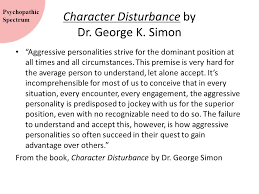
A person with an aggressive personality type looks at life as a game-where there are winners and losers. (Even our current President preaches this philosophy). These aggressive personality types approach relationships that in order for them to win, you must lose. And they are determined to be the winner even at your expense. Most of us who are not this way find this hard to understand. We do not look at relationships as competitions and may find it hard to grasp this mindset.

A book written in the 1960s by Thomas Harris on transactional analysis touched on 4 personality types:

~I am okay, you are okay (ideal)

~You are okay, I am not okay

~I am not okay, you are not okay,

~I am okay, you are not okay

It is this last perspective I am touching on here as it has become so prevalent in modern-day society.

The unsettling reality is many of these aggressive types walk among us in our day-to-day life. Aggressive personalities see themselves as superior to others and entitled to treat others as less than. For them life is a game, which they are determined to win, at all costs.

Even in a situation where sitting back and taking a more subordinate position would be beneficial to these types, they just can’t will themselves to do it. They aggress at the expense of others but also at the expense of themselves. 

People like this are openly at war–with themselves and most people around them.

Domination to them is second-nature. Even if they have a civil facade they show to most of the world at their core is a ruthlessness that lacks any empathy.

Empathy is the cornerstone of any authentic relationship. You cannot have a genuine relationship with someone who lacks empathy.

The thing is these people will openly defy social norms—-even though they know what is expected of them. They don’t care to abide by the rules the rest of us play by because they feel they are above them. They can’t stand to acquiesce to anyone else’s demands or expectations.

Now, we all, from time to time, will slip up and violate social norms. A slip of the tongue here or doing something without thinking–we are human after all. What I am talking here is patterns of behavior.

We all know such tough, callous people. It is hard to maintain relationships with these types unless you are willing to completely set aside your needs and values.

An example of this would be if you were dealing with someone who has been mistreating you–making rude comments, asking inappropriate questions, not respecting your boundaries, not carrying their share of the workload, whatever the situation may be. You decide to speak to them about their behavior in hopes it would help better the relationship.  You think by bringing their behavior to their awareness, things might get better. You may say, “I have experienced you doing xyz to me. It makes me feel hurt and disrespected. I do not treat you with disrespect and I would appreciate if you would treat me with the same respect I bestow upon you.” Maybe you cite examples of behaviors that led you to this point (note you are discussing the behaviors and actions, not attacking the person-i.e. separating the behavior from the person). This is an example of being assertive, not being aggressive.

Now in this example, with a healthy functioning person with normal levels of empathy, they would feel bad that you have felt hurt and disrespected by their behavior. They would feel bad if they did something wrong to you. But this is not the case with these aggressive, predatory types.

aggressive

The thing is with these types of people it is not awareness that is the problem. You see many of us make the mistake that therapists do–thinking lack of awareness is the problem. Yet with these aggressive personalities they ARE aware, they just don’t care. 

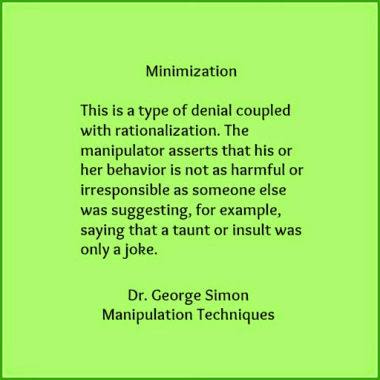
In fact, they are now most likely going to be committed to treating you even worse for calling them out on their bad behavior. For them, having their way is all that matters. They will be furious at you for having the audacity to call attention to their behavior. They will think you are cruel for pointing out their behavior. They will think if you really care you would accept them for how they are and not make a big deal about their actions–that they are not as bad as you are making them sound. They will say things to you with such conviction, you start to doubt yourself.

You see these types of people do not want to be accepted for who they are. These personality types want to be excepted for who they are. They want to be the exception to the rule. They don’t care if you love them or loathe them as long as you overlook their behavior–so they can continue to act however they want to act–rude, inconsiderate, disrespectful but without any consequences.

If you won’t allow this you are the evil, bad one.

If you stay out of their way, you may never have a problem with them.

These people can be coworkers, family members, in our extended friendship circle.

aggressive 2

The thing to realize is people with good consciences want to make fair, honest judgments. Thus when a person with impaired conscience is called on their behavior they know that you don’t want to see them as evil or bad. They will distort, deny, and rationalize their behavior knowing we want to buy into what they are selling.

These people can talk the talk and walk the walk to get out of a tight spot.

The problem is their behavior will NOT change because they do not want to change.

These people want to be in control, to be top dog, the alpha–anyone who gets in the way of this pursuit will experience the scorched earth these people will go to in pursuit of winning (I am sure a certain politician is coming to mind here).

However, submission of any type to an aggressive personality is impossible, even if it would benefit them in the long-run. Most healthy functioning people recognize sometimes we need to humble ourselves to losing a battle to win the war. With these aggressive personality types they cannot give an inch. These people submit to no one, but expect others to subordinate themselves to them, no questions asked.

These people want their way, regardless of who gets hurt, and will fight to the end, regardless of the cost to themselves and those around them.

What is most dangerous about these types of people is we often do not recognize them as such until after the damage is done.

While these are people who can be very brazen, they can also be very charming and likable, as long as you do not openly speak out against their my way or the highway attitude.

As the title of this article references the increasingly narcissistic society these types operate in, one such problem with these dominant personalities is there are social benefits to behaving in such a manner. It seems in a society that emphasizes wealth and power, these personalities that must win at all costs are increasingly likely to be found. We can see this playing out daily in the current political and economic landscape.

The fact is we live in an increasingly narcissistic society that fosters character disturbed behavior.

What are the characteristics of a narcissistic society?

~Focus on self and the individual, instead of a communal focus

~Excessive striving for status, position, superiority

~Overvaluing externals: stereotypical beauty, money, power, success

~Undervaluing people who work in less lucrative professions that benefit society (teachers, police officers, public service)

~Valuing money and power at the expense of all else

~Instilling a sense of entitlement in children

~Lack of gratitude

~Greed

We can see these values playing out clearly in politics. But it is harder to accept in our day-to-day lives.

Too many are people in our society are not insecure at all, not hung up enough, or shamed by their poor behavior towards others.

My hope is that being armed with this knowledge you can better protect yourself from the people who can and will harm you and you never saw it coming.

aggres4


Can You Tolerate Uncertainty? The Answer May Reveal Why You Struggle with Anxiety

anxiety 2

We live in an age of uncertainty.

Not knowing can be the worse.

 All of us experience anxiety from time to time. 

It is a part of the human condition to feel the discomfort that is anxiety. Many of our “firsts” trigger such feelings of anxiety-our first day of school, our first time away from home, our first date, our first kiss, our first job.

Anxiety can also be brought on by life events: going away to college, getting married, your first job, having a baby, buying a house, getting divorced, selling your house, retirement. Any major life change, positive or negative, can produce worries and feelings of apprehension. In life changing moments or when you are in unfamiliar waters, these feelings are to be expected.

As human beings, we have a tendency to hate change.

Dealing with an uncertainty is an inevitable part of life. None of us can predict the future. For some of us this is just an inalienable truth to life–none of us know what the future will bring. But for others, their INability to tolerate uncertainty causes distress and suffering.

Anxiety is the root cause of controlling behavior. Many people struggle to control themselves, the people in their lives, and their environment. For them, this is a way to try to ensure certainty in an increasingly uncertain world.

Some of us can tolerate a large amount of uncertainty in our lives but for others even a small amount can feel unbearable.

The sad thing for people who suffer with anxiety is they miss out on many of the unpredictable, unplanned for moments of life that come with going with the flow. Of spontaneity. Of just waiting to see how the day unfolds.

For people who cannot stand uncertainty–their increasing levels of anxiety makes their world smaller and smaller. If anxiety isn’t effectively managed it can take over your life.

Anxiety suffers tend to use safety behaviors designed to eliminate uncertainty.

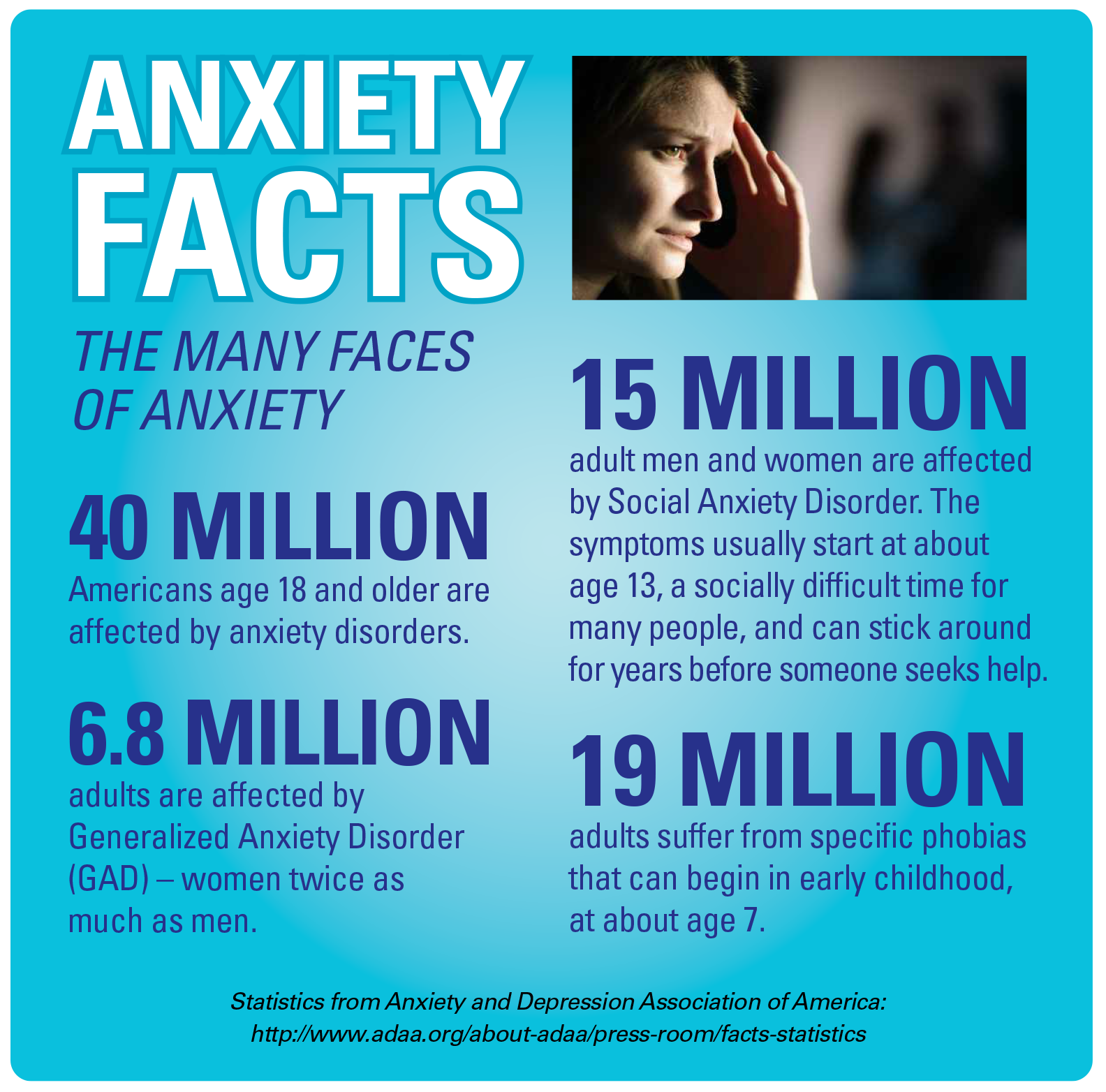
As many as 1 of 4 adults suffer–meaning there are people in your life who struggle with this disorder and you may have no idea.

Anxiety is the most common mood disorder in the United States (NIMH).

anxiety 3

If you are wondering if you or someone you know may be struggling with anxiety below are some behaviors and red flags of people with high anxiety:

~You have trouble having fun

~Seeking reassurance from others

~Withdrawing from others

~Sleep disturbances

~Refusing to delegate tasks to others

~Difficulty focusing

~Mood swings

~Procrastinating

~Needing to be in your comfort zone (usually your house or some other environment you feel in control of)

~Planning things down to the minute (can’t let others make the plans)

~Unwilling to travel to new places (or at all)

~Relationship issues (constantly checking in, codependency, not going anywhere without your partner)

~Overthinking

~Struggling with anger

~Second guessing (yourself and others)

~Underemployment or unemployment

~Difficulty with change

~Preparing for every possibility (or trying to)

~Having a dislike for anything new (new equates to uncertain)

~Avoidance of said new places, new people, new experiences

~Avoiding any situation (or person) you feel you cannot control


anxiety 1

If you recognize yourself in these behaviors, there are steps you can take to mitigate your anxiety.

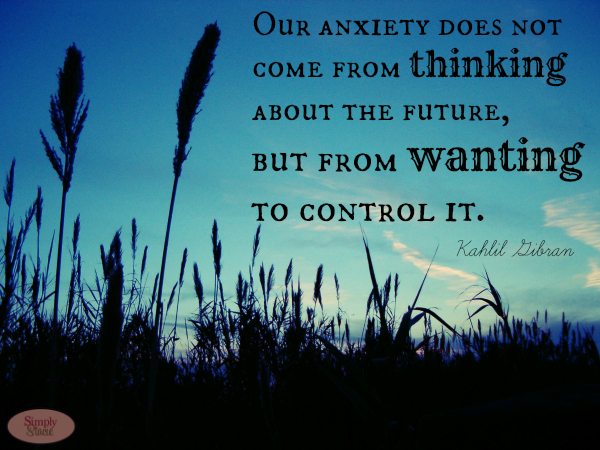
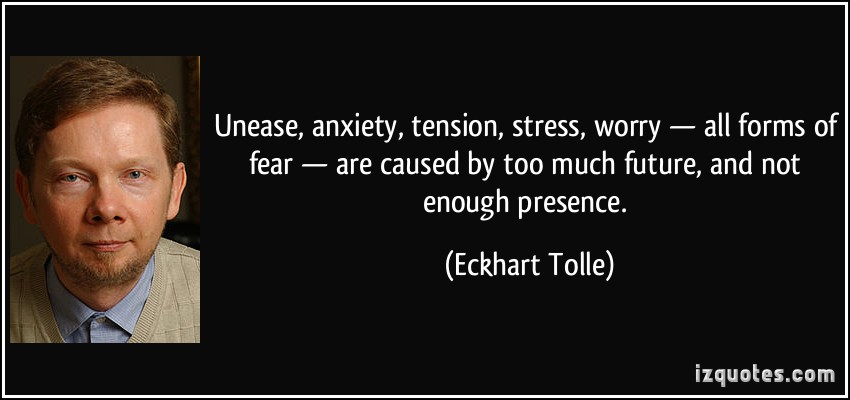
1)Stay in the present moment. Anxiety comes from projecting our attention into the future. Anxiety is negative thoughts about the future–negative what-ifs and worst case scenarios. Practice bringing your attention back to the present when you feel your anxiety levels rising.

anxiety 6

2)Expose yourself to the things that make you anxious. Avoidance behavior is an effective way to relieve anxiety in the short-term, but increase your anxiety in the long-term. Anxiety will continue to make your world smaller and smaller unless you push yourself outside of your comfort zone. Take baby steps out of your comfort zone.

3)Reflect on your personality. Certain personalities are more prone to anxiety–some people have a more active brain than others–reflecting, worrying, analyzing things to death. You may worry too much about what others think or about making a mistake. If you fall into this category, you are more likely to struggle with anxiety.

4)Stop focusing on yourself. Anxiety is a very much a focus on your feelings, your thoughts, your reactions. A large part of anxiety is centered on how things affect YOU. Try to step outside of yourself and focus on helping out someone else. As someone who works in a helping profession, I find helping others is one of the most effective ways to lessen my OWN worries and anxious thoughts. It is hard to sit in worry and anxiety when you are busy with connecting and helping others.

5)Seek counseling. A good therapist has numerous technique and coping skills they can provide you with. They can also help you work through the root causes of your worries. Counseling is a good place to start your recovery from anxiety.

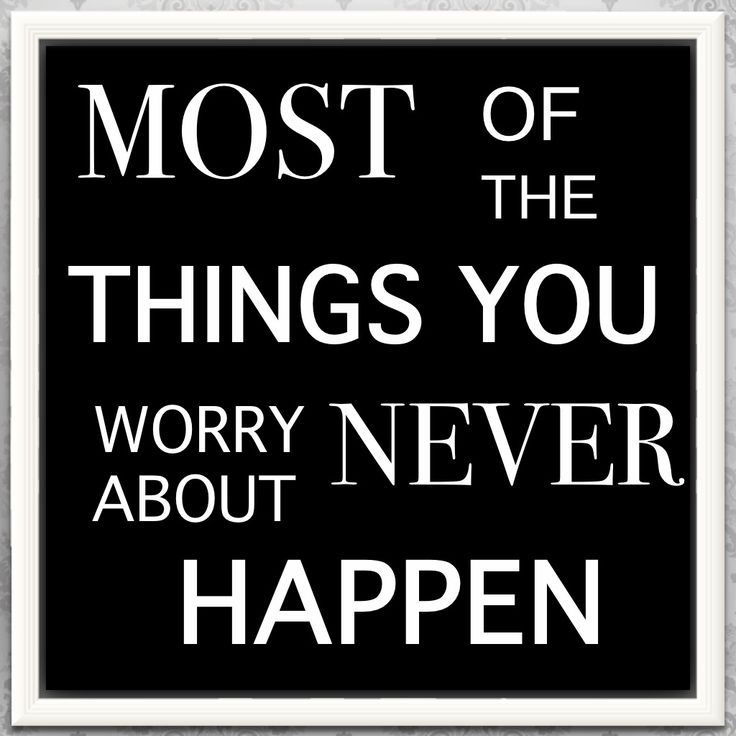
And lastly, what is the likelihood something bad will happen? I often have my clients discuss with me things they worried about that never came to fruition. It helps them to recognize that most of the things we worry about, never happen.

anxiety 4

How We Manage Our Shame

shame3

In a previous post, I discussed shame and how OTHERS may try to shame us, the reasons why, and how shame has its roots in one’s upbringing.

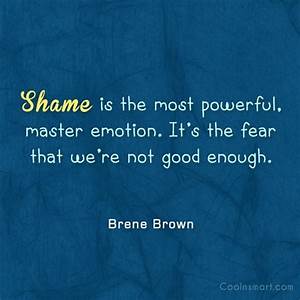
Equally important is how we are able to manage our own feelings of shame towards ourself as it is pivotal to our well-being. Shame can undermine our relationships and often runs our lives without us even knowing. Shame is a silent killer if you are not able to recognize its powerful presence in your life.

Everyone experiences shame. For healthy people, the shame they feel passes.

For others, shame is an emotion they try to cover up with other emotions-anger, aggression, passive aggression, rage, envy, jealousy, anxiety.

Shame is something we may to try to project on other people–terrified of being judged we may attempt to point out the faults in others to keep the spotlight off our own imperfections.

Perhaps we become self-deprecating. We may shame ourselves as a way to acknowledge our faults and failures before anyone else can point them out.

narc 1

Shame can also be such a fundamental part of our experience that it shapes our sense of self and identity.

Many people who struggle with shame develop into one of the two distinct personality types: the narcissist or the codependent.  (A codependent cannot be a narcissist, but a narcissist CAN also be codependent). These personalities are based on an undefined self. In both, shame and control are intricately tied together. Narcissists and codependents rely on OTHER people for their sense of self.  Each of these personalities place a lot of importance on what other people think of them.

abc

The only way to over come these shame based personalities is to give up your attachment to control, you will find your shame disappearing.

For narcissists, they hide their internalized shame with an outward expression of arrogance, contempt, rage, and criticism towards others. Narcissists lack empathy.  These are people who very much live in fear of being found out. Narcissism is the mask they use to cover up their deep-rooted feelings of self-loathing and toxic shame.

narc2

Narcissists are famous for unloading their shame onto others with insults and put downs. By making others feel bad about themselves, a narcissist can ease their own pain. Shame is the cause of their aggressive, mean-spirited behavior.

This shame based personality type truly feels they are right and you are wrong and that you are an idiot in comparison to them (obviously you feel GREAT being in their company).

A narcissist will battle to the death if they feel their sense of self (their false sense of self) is challenged. Narcissists can dish it out but hell hath no fury like a narcissist scorned!

narc e

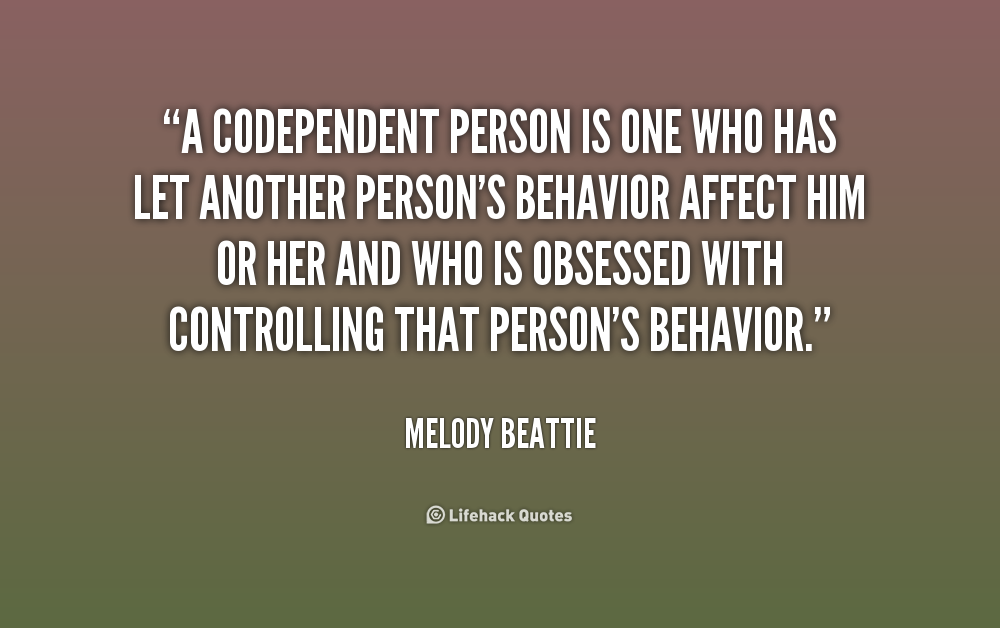
Another shame based personality type is the codependent. Codependents try to control their internal feelings by controlling other people, events, and circumstances.

codepndent 2

For codependents,  their shame is also internalized, but expressed outwardly in a different form than the narcissist’s.  Similarly, a codependent’s sense of shame leads to other painful feelings and destructive behavior. With codependents, their shame plays out in care taking, passive aggression, people pleasing, control, resentment, and non-assertive communication. Codependents can’t speak their minds and similarly to narcissists, have a tendency to blame others. Often they are martyrs who are proud of their giving, self-sacrificing, long-suffering, and a selfless devotion to you (something they will hold over your head when it suits them).

Codependents try to be puppet masters pulling strings behind closed curtains. They are super focused on others. Their desire to feel needed is intertwined with the desire to feel important.

Codependents vacillate between feelings superiority and inferiority. Shame can come out as jealousy, envy, or judgement of others. By diminishing others, a codependent gets a superficial boost to themselves and get to hide their feelings of shame from their self.

If you are ruled by shame you may find yourself isolated–from family and friends. You may be cut off from your own authentic feelings which for you are too scared to feel.

Both narcissists and codependents hate to feel their feelings and the subsequent vulnerability that expressing our true self entails.

Vulnerability is very threatening to narcissists and codependents alike.

abc2

Codependents and narcissists as you can see are BOTH sides of the same coin.

Outside of the more extreme personality types of narcissism and codependency, shame can present in others way in our lives. Shame can affect how we function in relationships.

If you struggle with shame and control, you may find you either under-function OR over-function in your relationships.

While most people understand that balance is key to a fulfilling relationship,romantic or otherwise, it seems that many of us can’t escape the trap of either under-functioning or over-functioning.

Signs you overfunction in your relationships:

~You worry a lot

~You struggle with controlling behaviors

~You do for others what they can do for themselves

~You love to give advice (feeling a sense of responsibility for others and how things turn out)

~You are concerned with managing your image

~You moralize (moralizing is the tendency to harshly judge certain behaviors)

~You triangulate (triangulating is a manipulation tactic where one person will not communicate directly with another person, instead using a third person to relay communication to the second, thus forming a triangle)

~You overparent—both your kids AND other adults (taking care of others is a way to keep you from having to pay mind to your own issues)

~You take on the role of care-giving

~You try to change others

~If someone does not stay in sync with you/agree with you (how you think, how you feel)–you can’t be friends or in a relationship with them

Signs you underfunction in your relationships:

~You set goals and don’t follow through

~You let your partner make the decisions

~You ask numerous people for advice rather than make decisions on your own

~You let others do for you things you can do for yourself

~You struggle with addictions-food, alcohol, drugs, etc.

~You frequently are physically or emotionally ill

~You become less competent under stress

~You are underemployed

~You self-sabotage

~You zone out to tv or video games

~You seem lazy or unmotivated to others

Whenever someone is underfunctioning, someone else is overfunctioning.

function

Narcissism, codependency, overfunctioning, and underfunctioning all have their roots in shame based feelings. These are ways our feelings of internalized shame manifest in our lives.

Shame and control go hand in hand. When you give up your attachment to control, and instead choose compassion toward yourself and others, you will find your shame dissipate.

If you explore it carefully, if you navigate shame with compassion, you find the comfort that comes from no longer hiding from yourself—or keeping yourself hidden from others and the world.

abc3

Dysfunctional Families: Who They Are and How to Overcome Yours

dysfunction 2

Ever wonder if you were raised in a dysfunctional family? There is no real guide to determining if a family is categorically dysfunctional, but here are some questions to ask yourself:

~If people tell you that you are like your mom or dad do you get upset and hope it is not true?

~Do you have a history of struggling with depression?

~Do people in your family always “react” to the choices of other family members? Dramatic reactions in fact?

~Have you said something hurtful (or many hurtful) things to someone in your family and wish you could take it back?

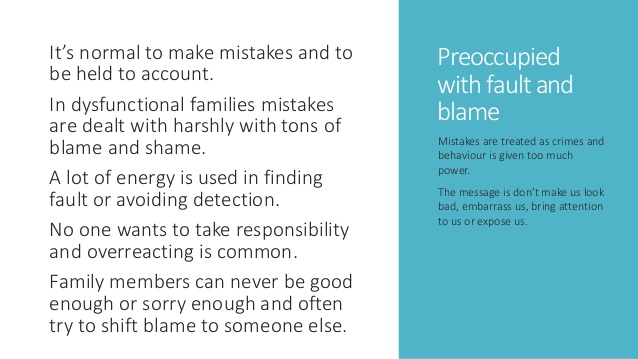
~Is your family quick to blame?

~Do you feel guilty standing up for yourself?

~Have people in your family said things to you that were just plain cruel?

~Do you feel angry often?

~Do you constantly people please?

~Are you a perfectionist?

~Do you struggle with your self-esteem?

~Do you self-medicate? Alcohol, drugs, food, sex?

~Is your family judgmental and critical of others?

~Do you relate to others with dysfunctional families? Alcoholic parents? Divorced parents?

~Is your family competitive with each other?

~Do you believe you will be (or are) a better parent than your parents?

~Is there on-going conflict in your family? With different members? Across the different generations?

~Do you struggle with anxiety?

~Is it hard to communicate in your family?

~Does it feel like there is a hierarchy within your family? Where some members are more important than other members?

~Do family members gossip about other members? Lots of third-party conversations?

~Growing up was your home life unpredictable? Did you move a lot? Switch schools frequently?

~Do you feel afraid to disagree with your family outright because risk of rejection?

~As a kid, did your parent feel more like a friend than a parent?

~Does your family hate change? Are new members welcomed in? Are adult children encouraged to be independent?

~As a kid, were your parents overly strict? Overly permissive?

~Is there a lack of diversity in your family? Are differences of opinion tolerated?

~Do you fear being abandoned?

~Did one (or both) of your parents leave you as a child? Physically or emotionally

~Is it hard for you to trust others?

These are just some possible signs of dysfunction in the family system. You may relate to some, none, or many of the aforementioned questions. Dysfunction exists on a continuum. If you relate, don’t feel too bad–most families have some level of dysfunction inherent in them– which is usually passed down from generation to generation.

Nobody comes from a perfect family.

Yet in dysfunctional families, every member has a role. The rescuer, the victim, the persecutor. For every rescuer there is a victim. For every victim there is a persecutor. So starts the triangulation of these “roles.” Dysfunctional families frequently engage in triangles.

Triangulation is when instead of members talking directly with each other about problems, they bring an outside person in to intervene in a conflicted or stressful relationship, in an attempt to ease tension and facilitate communication.

Let’s say brother A tells brother B he would like brother C to help out more with their sick father who needs a lot of day-to-day assistance at home. Dad is getting older, with more severe health issues, and can use all the support he can get from ALL his sons. When brother B goes back to brother C and gives the message, then brother C will wonder why brother A didn’t just come and ask for himself.

There is always a manipulation tactic within triangulation. Brother A might not like to ask brother C or he might know brother C will say no so he hopes brother B can be more convincing than he was when he asked the last week. Or maybe brother A realizes the only way to get brother C to do what he wants is to put familial pressure on him. When both brother A and brother B ask brother C, then brother C might feel even more pressure to comply.

Dysfunctional families triangulate to coerce other members to do things they rather not do. They also use it as a way to manage conflict. People who triangulate will call this “venting” but the healthy way to deal with conflict is to talk about it directly with the person you are having conflict with. The problem with triangles it is usually prevents, rather than invite, the resolution of conflict.

Venting and complaining about family disintegrates all three relationships within the triangle. Trust fades for someone who talks about others behind their backs. Respect also lessens for someone who listens complacently to endless fault-finding.

dyfncutin 5

Triangulation is also extremely unhealthy when children are involved. The wife who confides in her young son about the troubles in her marriage. The father who shares his worries about finances with his tween daughter instead of speaking directly to his wife.  In dysfunctional families we often see parentified children-where the child is expected to act as the parent and the parent acts like the child. The oldest child may help his siblings off to school, makes lunches, helps with homework because the parent, for whatever reason, is unavailable–whether physically or emotionally. Often a parentified child acts like parents to his OWN parents. The parentified child usually takes on the role in an attempt to keep chaos at bay and keep the family unit functioning and together. Later when the parentified child grows up they usually pick a spouse who is dependent–so they can continue to play this role of parent to their spouse.  This is a clear example of boundary problems and unhealthy roles within the family system.

Another common problem in dysfunctional families is the lack of self-differentiation. Murray Bowen, who is the father of this concept, made it one of the cornerstones of family systems therapy.  Self-differentiation has two tenets: that you are able to separate your feelings from your thoughts AND you are able to distinguish between your experience and the experience of those you are connected to.

Being self-differentiated is being able think for yourself and act according to your own values. When you are self-differentiated you able to disagree with the choices of a family member without trying to get them to change.  The less differentiated you are the more impacted by others’ thoughts and opinions you will be. A highly differentiated person can maintain a solid sense of self even under considerable stress and anxiety (Bowen). People who are self-differentiated are not reactive and are able to make decisions independent of the input of others. At a lesser level of differentiation, a person is dependent on the input of others to make decisions and function. A person with a low-level of self-differentiation will exhibit many symptoms of stress and often act destructively under pressure. Even intelligent people can be poorly differentiated (Bowen).

When you are self-differentiated, you still care about your family and want to be connected to them. Yet you are able to limit the chaos and are not be enmeshed with your family. Enmeshment is when you are defined by the family system and look to it for your happiness rather than to the outside, larger world. When you are enmeshed, your sense of identity is wrapped up in your family. You are not able to recognize where you end and they begin. This psychological boundary does not exist in dysfunctional families.

In unhealthy family systems, it is hard to differentiate because differences are not tolerated. If you are conservative and your family is liberal you are mocked. If your family is athletic and you rather read than play a sport, you are teased.  If Christmas is always at sister Susie’s and you want to have it at your house, you are met with resistance. Change is not welcome in dysfunctional families-of the individual or the system as a whole. In this type of family differences are not celebrated. Lots of shame permeates the family system.

dsyfunctiona 1

In dysfunctional families, members are made to feel guilty if they don’t visit enough, call enough, come home enough.  In such families, alliances are often being formed. These alliances are ever shifting. Alliances form because members are expected to choose “sides” on every issue. In healthy families, members don’t gang up on others, pick sides, or insert themselves into conflict between other members. These are all symptoms of an unhealthy family system at play. Remaining neutral in the face of conflict is a sign of maturity and self-differentiation.

For example in enmeshed families, there tends to be a lot of drama because everyone feels entitled to opine and react on the decisions of other members. For example, son A decides he is going to move across the country for a job. In an enmeshed family, the parents may take this as a betrayal and personal affront. They may feel he is abandoning the family. Mom and Dad share their hurt and disappointment with son B instead of sharing how they feel DIRECTLY with son A.

Therefore, son B may pick a fight with son A to express his disapproval and as a way to align with the parents. Son B and the parents are forming a coalition to try to impede son A’s decision to move away. When Son A responds in a level-headed, non-reactive way to his parents and brother, calmly stating why he is choosing to move, he is met with anger and rage. His parents and brother take his calmness and composed demeanor as a sign he does not care or love them.

In unhealthy families, chronic anxiety exists. When you self-differentiate and are non-enmeshed you are much more relaxed and calm. This is viewed as a threat to other family members who are still in a state of enmeshment. In toxic, immature families becoming more mature, less reactive, and less anxious is viewed as you don’t care, you don’t love me, you are cold.

dysfunction 2

The blurring of self is normal in a dysfunctional family. If you come from a family riddled with dysfunction, the idea of personal boundaries may seem foreign to you. You are used to living in a bondary-LESS environment.  A person’s willingness to accept your boundaries and limits show where their level of respect is for you AND how emotionally developed they are. In a dysfunctional family it is hard to negotiate with other members the amount of separateness and closeness you feel comfortable with because compromise is not something rigid family systems can do.

Dysfunctional families can be cult like. Oftentimes family members are not even aware of the dysfunction or in denial about it. Things are never discussed. Third party conversations run rampant. Direct communication does not exist. Expectations are never questioned. It is just the way it is.

All dysfunctional families want to maintain the status quo. This is what we always done, this is what we will always do is the family motto.

How to Begin to Differentiate from Your Family

1)Uncover your family’s rules and paradigm.

2)Ask if you believe the rules you have been following blindly since childhood. Children follow their parents unquestioningly, adults do not. It is appropriate when you are the child to look to your parents to affirm your identity. As an adult, this is unhealthy.

3)Stop needing your family for things they can’t provide. The mother you never had. The father you always wanted. It isn’t going to happen. Stop waiting on this. The sister you always wanted to love you a certain way–who doesn’t, can’t, won’t.  This is a time to begin the acceptance process.

4)Reflect on what YOU believe. YOU. Stop handing your emotional power over to your family. Be who you want to be not the role your family expects you to be.

5)Understand guilt, shame, and transference of anxiety is NOT caring. It is the norm in dysfunctional, undifferentiated families. Stop holding onto these feelings-it only revictimizes you.

6)Resist the urge to rescue others.

7)Do for yourself what your family could never do for you.

8)Be mindful. This is not about blaming your family. This is about acceptance. This is you being you while being connected to your family. This is not about disconnection. This is about healthy connection.

Accept while you may have changed that we can’t change others unless they want to change. This is a time of opportunity for you. Instead of perpetuating the cycle of dysfunction, you can change the future—when it comes to breaking the cycle with your children and the next generation.

healthy-families