Have you ever found yourself in a conflict with someone who puts their negative qualities on you? A person who describes you in the way that they themselves ARE? Have you ever asked someone to stop projecting their feelings onto you?
Or maybe you heard someone talk about someone they dislike; listing all the traits and qualities this person has that they cannot STAND. And you found yourself thinking hmmmm sounds a lot like you are describing YOURSELF. It is funny to me how often people cannot stand qualities in another person that they in fact possess.
Psychological projection is a common defense mechanism where people distort reality for their OWN benefit. Like a lot of aspects of human behavior, projection comes down to self-defense.
The truth is the problem is sometimes you, it is not ALWAYS someone else. For some of us this is just a given. We are all human, we are all flawed, we all make mistakes. I know sometimes I can be the issue or cause of a conflict I have with another. Yet some people can NEVER see themselves as the problem because this would be to threatening to their sense of self. A person who never developed a strong sense of self struggles with vulnerability which includes being able to admit to faults and mistakes.
I have found our coping strategies reflect our emotional maturity. Projection is an immature defense because it distorts or ignores reality in order for us to function and preserve our ego. It’s reactive, without forethought, and is defense children use.
Yet most of us would be hard pressed to think of people we know who don’t blame and project. Most “venting” includes a fair amount of blaming and projecting. We seem to be a society of complainers. There is nothing more American than complaining and blaming! Many people appear to do this habitually. Everyone does it from time to time. Rather than admit to a flaw, we find a way to address it in a situation where it is free from personal connotations.
Projection is part of our daily interactions. A common example is a person who gossips who accuses other people of gossiping. Or says things like well EVERYONE gossips. Instead of acknowledging their own character flaw, they transfer, or project, this behavior onto other people. The truth is everyone does not gossip.
The fact remains people tend to feel more comfortable seeing negative qualities in others rather than in themselves. Projection is a common defense mechanism used by people with personality disorders, addicts, and abusers. But all of us are guilty of it from time to time. Many of us get defensive when we are criticized. We all want to be self-aware, but some of us struggle to remain self-composed when we feel vulnerable. Projection is one way we may inadvertently react when we feel threatened by criticism. Psychological projection is a defense mechanism people subconsciously employ in order to cope with difficult feelings or emotion.
For instance, you might tell yourself, “She doesn’t like me,” when actually you don’t like her. We might accuse someone of being angry and judgmental, being completely unaware that in fact we are. I have often found that in conflict, as in life generally, people so easily project their own shortfalls onto the other side. You effectively trick yourself into believing that these undesirable qualities actually belong elsewhere – anywhere but as a part of you.
Similar to projection is the defense mechanism of externalization, in which we blame others for our problems rather than taking responsibility for our part in causing them. It makes a person feel like they are a victim instead of looking at their role in creating the problem.
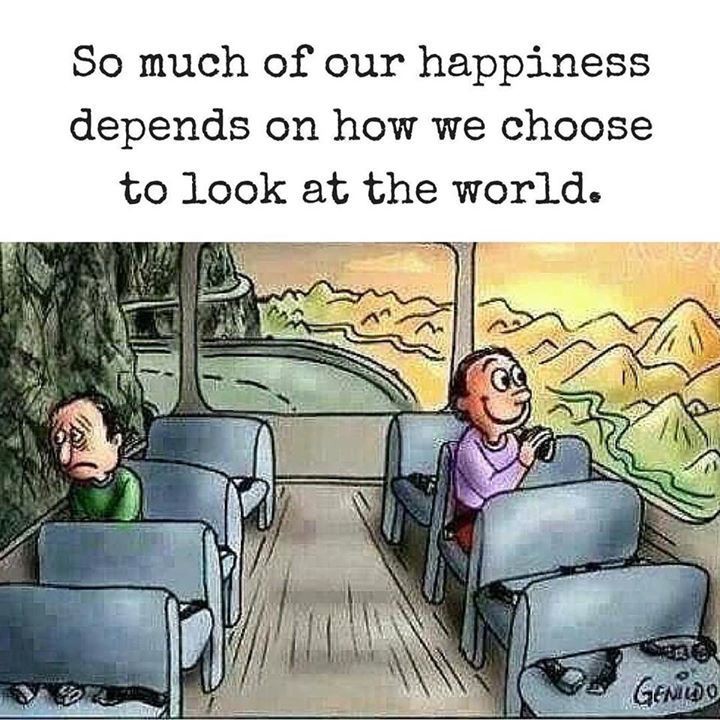
Take a moment and ask yourself: how does your world look to you? Is it hostile and anxiety producing? Filled with people who complicate your life and make it harder? Does it leave you with a sense that something’s missing? Or is it friendly and welcoming? Do you see the world as filled with opportunities for happiness and joy?
Your answers have nothing to do with the world.
Our worlds are a projection of our inner state. That’s right. As Wayne Dyer famously said, “The state of your life is nothing more than a reflection of your state of mind.” There is no objective reality which is why our perspectives and personalities are so vastly different. Take two people with two different histories and two different perspectives. They’ll see the exact same situation in two completely different ways.
If you find you are struggling with the state of your life or find yourself struggle with projection, counseling can be a great avenue to pursue. Understanding human conflict requires us to understand human psychology. And it is only when we understand the psychology that drives conflict that we can take intelligent steps to address it.
If you are unsure if this is an issue for you a good place to start is to examine the negative relationships in your life. Who don’t you get along with at work or in your family? Do you feel as though someone is out to get you? Try to determine where the animosity began. The truth is it is okay not to like everyone we meet. That isn’t realistic. It also isn’t realistic to expect to live a life free of conflict. Becoming more self-aware of how and when you are projecting can help you have less conflict in your life and better relationships. In some cases, you may find that speaking with a therapist will help you examine these relationships more honestly and openly than you are able to do by yourself.
To schedule a counseling session with me:
Erin Doyle Theodorou, M.Ed, LPC, NCC
Theodorou Therapy LLC
590 Franklin Ave., Suite 2, Nutley, NJ 07110
(973)963-7485
etheodorou@theodoroutherapy.com
 Have you noticed your stress levels have been on the rise as a result of COVID-19? If so, you are certainly in good company. Anxiety is a natural response to the unknown, nature’s way of trying to protect us by pushing us to resolve the uncertainty and figure out a solution to the problem.
In a situation, such as a national pandemic, stress is the normal human reaction. Fear and anxiety about this disease can cause strong emotions in adults and children alike. With news of rising death tolls, massive job layoffs, and orders from government officials to “shelter in place” we may be left feeling a bit shaken. It does not help to keep hearing that hospitals are running short on supplies nor getting contradicting information from different news outlets on this novel coronavirus. People can struggle to know WHAT to even believe is true.
People with pre-existing anxiety and related disorders are *especially* likely to a have a hard time during the coronavirus crisis.
We all react differently to stressful situations. Social distancing and self-quarantine can test the strongest amongst us. Dealing with at-risk family members, a roller-coaster economy, trying to juggle work, keeping your children occupied, and homeschooling all can all be overwhelming. Just simply adjusting to a new, unfamiliar situation can negatively impact you. Moreover, none of us know when this is going to end, which just adds to the psychological distress.
Stress, while not only an unpleasant emotional state, can also weaken your immune system. Reducing your stress is one of the best ways you can deal with this crisis. Hence it is more important than ever to boost your coping skills in order to improve both your physical and mental well-being.
5 Steps to Manage Stress
1)Get sleep and rest. Everything gets amplified when we are sleep deprived. Getting enough rest is more important than ever for both your physical and mental well-being. It is important to be well-rested to deal with the additional stressors impacting our day to day lives.
2)Exercise. Gyms may be closed, but it is still possible to take walks, play with your kids/pets, and workout at home. Endorphins can help you feel better and maintain a positive attitude.
3)Maintain a healthy diet. A bad diet can impact your emotional state. Be sure to help regulate your blood sugar throughout the day which will keep you much more even keeled. Eating well to help manage anxiety is commonly prescribed by doctors and mental health professionals alike. Lifestyle changes are simple but powerful tools in mitigating anxiety and depression, and are an essential component of an integrated approach to mental health.
4)Connect with others. Just because we are quarantining, it does not mean we cannot make a point to connect with others regularly. Isolation and lack of social connection can lead to anxiety and depression Zoom, Facetime, Skype, etc. are all virtual platforms to be utilized to check in with friends and family.
5)Let go of your need for control. As humans, we tend to want to control over our lives. Coronavirus guidelines are very much OUT of our CONTROL. Meditating, journaling, and starting a mindfulness practice are all ways to develop our ability to cope with this trying time. It is important we learn to manage and accept our lack of control at it relates to this pandemic. Tolerating uncertainty makes you less vulnerable to anxiety. Start easing back on certainty-seeking behaviors in your daily life.
Following these steps to manage your stress can add a sense of normalcy to your life. Maintaining a routine is pivotal. As humans, we thrive when we have structure.
In addition, anxiety tends to rise proportionally to how much one tries to get rid of it. I always loved how Carl Jung said, “What you resist, persists.” People try to distract themselves by eating, drinking, self-medicating, or binge watching tv more than usual. They may seek out reassurance on the internet or from loved ones. Other people obsessively check news streams, hoping to calm their fears and seek answers to their questions. While these behaviors can help in the short term, they can make anxiety worse in the long term.
Allow your anxious feelings, thought, and physical sensations to wash over you, accepting that anxiety is a part of the human experience. We are all in this together. Often health threats can trigger this existential fear we all have within us of our own mortality. Take a moment to step back and remind yourself that you are more resilient that you think.
If you are not able to manage your anxiety or depression on your own, please know help is available. If you find you are struggling to maintain close relationships, take care of yourself or others, or that your anxiety is interfering with your daily responsibilities, you might want to get professional help from your doctor or a mental health professional. If you are feeling helpless during this stressful time, it may be time to speak with someone. As a counselor, I am providing tele-health sessions, as are many other providers. It is important to take care of yourself and others around you during this unprecedented time.
If you are struggling to cope during this time and would like to schedule a counseling session with me (***tele-health sessions ARE being covered by insurance**):
https://www.psychologytoday.com/us/therapists/erin-doyle-theodorou-nutley-nj/243617
Erin Doyle Theodorou, M.Ed, LPC, NCC
Have you noticed your stress levels have been on the rise as a result of COVID-19? If so, you are certainly in good company. Anxiety is a natural response to the unknown, nature’s way of trying to protect us by pushing us to resolve the uncertainty and figure out a solution to the problem.
In a situation, such as a national pandemic, stress is the normal human reaction. Fear and anxiety about this disease can cause strong emotions in adults and children alike. With news of rising death tolls, massive job layoffs, and orders from government officials to “shelter in place” we may be left feeling a bit shaken. It does not help to keep hearing that hospitals are running short on supplies nor getting contradicting information from different news outlets on this novel coronavirus. People can struggle to know WHAT to even believe is true.
People with pre-existing anxiety and related disorders are *especially* likely to a have a hard time during the coronavirus crisis.
We all react differently to stressful situations. Social distancing and self-quarantine can test the strongest amongst us. Dealing with at-risk family members, a roller-coaster economy, trying to juggle work, keeping your children occupied, and homeschooling all can all be overwhelming. Just simply adjusting to a new, unfamiliar situation can negatively impact you. Moreover, none of us know when this is going to end, which just adds to the psychological distress.
Stress, while not only an unpleasant emotional state, can also weaken your immune system. Reducing your stress is one of the best ways you can deal with this crisis. Hence it is more important than ever to boost your coping skills in order to improve both your physical and mental well-being.
5 Steps to Manage Stress
1)Get sleep and rest. Everything gets amplified when we are sleep deprived. Getting enough rest is more important than ever for both your physical and mental well-being. It is important to be well-rested to deal with the additional stressors impacting our day to day lives.
2)Exercise. Gyms may be closed, but it is still possible to take walks, play with your kids/pets, and workout at home. Endorphins can help you feel better and maintain a positive attitude.
3)Maintain a healthy diet. A bad diet can impact your emotional state. Be sure to help regulate your blood sugar throughout the day which will keep you much more even keeled. Eating well to help manage anxiety is commonly prescribed by doctors and mental health professionals alike. Lifestyle changes are simple but powerful tools in mitigating anxiety and depression, and are an essential component of an integrated approach to mental health.
4)Connect with others. Just because we are quarantining, it does not mean we cannot make a point to connect with others regularly. Isolation and lack of social connection can lead to anxiety and depression Zoom, Facetime, Skype, etc. are all virtual platforms to be utilized to check in with friends and family.
5)Let go of your need for control. As humans, we tend to want to control over our lives. Coronavirus guidelines are very much OUT of our CONTROL. Meditating, journaling, and starting a mindfulness practice are all ways to develop our ability to cope with this trying time. It is important we learn to manage and accept our lack of control at it relates to this pandemic. Tolerating uncertainty makes you less vulnerable to anxiety. Start easing back on certainty-seeking behaviors in your daily life.
Following these steps to manage your stress can add a sense of normalcy to your life. Maintaining a routine is pivotal. As humans, we thrive when we have structure.
In addition, anxiety tends to rise proportionally to how much one tries to get rid of it. I always loved how Carl Jung said, “What you resist, persists.” People try to distract themselves by eating, drinking, self-medicating, or binge watching tv more than usual. They may seek out reassurance on the internet or from loved ones. Other people obsessively check news streams, hoping to calm their fears and seek answers to their questions. While these behaviors can help in the short term, they can make anxiety worse in the long term.
Allow your anxious feelings, thought, and physical sensations to wash over you, accepting that anxiety is a part of the human experience. We are all in this together. Often health threats can trigger this existential fear we all have within us of our own mortality. Take a moment to step back and remind yourself that you are more resilient that you think.
If you are not able to manage your anxiety or depression on your own, please know help is available. If you find you are struggling to maintain close relationships, take care of yourself or others, or that your anxiety is interfering with your daily responsibilities, you might want to get professional help from your doctor or a mental health professional. If you are feeling helpless during this stressful time, it may be time to speak with someone. As a counselor, I am providing tele-health sessions, as are many other providers. It is important to take care of yourself and others around you during this unprecedented time.
If you are struggling to cope during this time and would like to schedule a counseling session with me (***tele-health sessions ARE being covered by insurance**):
https://www.psychologytoday.com/us/therapists/erin-doyle-theodorou-nutley-nj/243617
Erin Doyle Theodorou, M.Ed, LPC, NCC
 In order to feel less aroused by stress, you must accept that problems are a part of life. None of us are exempt from facing challenges and difficulties. Accepting this truth allows you to let go of the notion that something must be wrong if you’re feeling unhappy. Our feelings are fluid and fleeting. Just as we will feel positive emotions, negative emotions are inevitable. Sometimes the only way to get to the other side of negative feelings is to ride out the uncomfortable emotions.
Frustration tolerance is a cultivated skill. We often encourage our children to develop grit and patience. Most children start out with a low frustration tolerance. During the developmental and learning process, they acquire the ability to face situations where they don’t always get what they want, whether it’s wanting to play with another child who does not want to be their friend, wanting cookies at the grocery store but their mother says no, or whether their ice cream has fallen and their parent doesn’t want to buy them another.
However, as adults, many times we ourselves do not exhibit such patience and the ability to tolerate frustration. Some people struggle with accepting their desires will not always be met. They may be unable to take the wishes and desires of others into account. These people struggle to deal with uncontrollable setbacks.
In order to feel less aroused by stress, you must accept that problems are a part of life. None of us are exempt from facing challenges and difficulties. Accepting this truth allows you to let go of the notion that something must be wrong if you’re feeling unhappy. Our feelings are fluid and fleeting. Just as we will feel positive emotions, negative emotions are inevitable. Sometimes the only way to get to the other side of negative feelings is to ride out the uncomfortable emotions.
Frustration tolerance is a cultivated skill. We often encourage our children to develop grit and patience. Most children start out with a low frustration tolerance. During the developmental and learning process, they acquire the ability to face situations where they don’t always get what they want, whether it’s wanting to play with another child who does not want to be their friend, wanting cookies at the grocery store but their mother says no, or whether their ice cream has fallen and their parent doesn’t want to buy them another.
However, as adults, many times we ourselves do not exhibit such patience and the ability to tolerate frustration. Some people struggle with accepting their desires will not always be met. They may be unable to take the wishes and desires of others into account. These people struggle to deal with uncontrollable setbacks.
 We see people with a low frustration tolerance react with anger, rage or excessive melancholy, in situations that most people can solve internally and move on from.
The ability to tolerate frustration is an important part of psychological well-being. If you find you are struggle with a low frustration tolerance, it may be beneficial to seek out counseling.
We see people with a low frustration tolerance react with anger, rage or excessive melancholy, in situations that most people can solve internally and move on from.
The ability to tolerate frustration is an important part of psychological well-being. If you find you are struggle with a low frustration tolerance, it may be beneficial to seek out counseling.
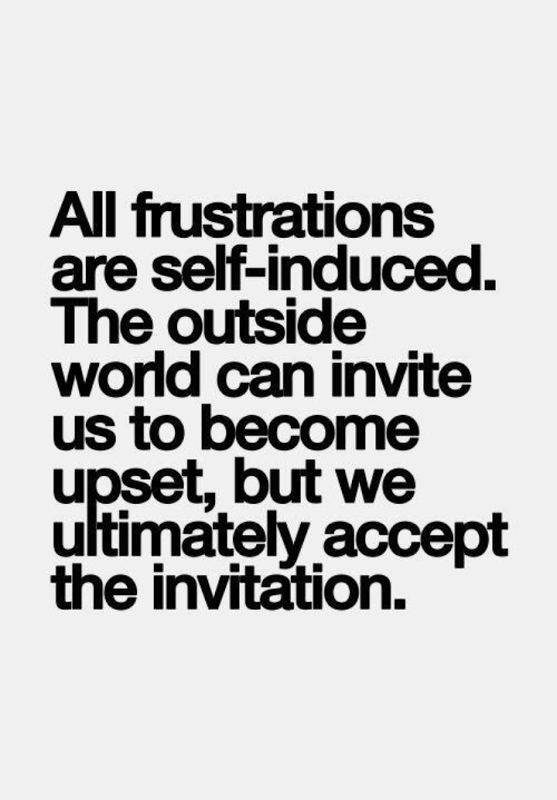 If you are struggling with frustration in your life and would like to schedule a counseling session with me (AND if you are a reader who lives in New Jersey):


 Erin Theodorou, M.Ed, LPC, ACS, NCC