Loneliness: Do You Ever Feel Lonely?

a1

What do you believe makes us happiest and most content in life?

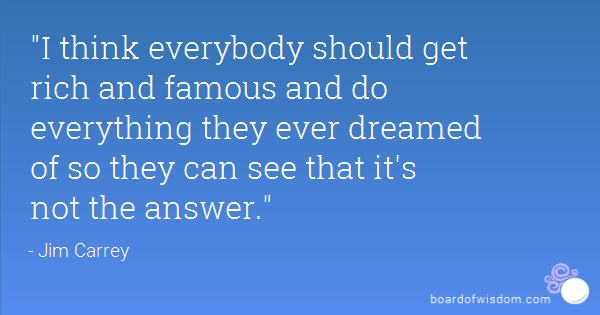
Some people might say money and success. Accomplishments and material possessions. Fame and fortune.
a3

Research shows this is not true. True joy and fulfillment comes from good relationships and feeling connected.

Loneliness is at the opposite end of the spectrum.

Loneliness is an emotional state we have when we feel disconnected. Our need for connection is ingrained in our DNA. Loneliness is a signal that something is not right. 

People have a fundamental need for inclusion, to be part of social circles, and for close relationships. We function best when our social needs are being met.

As someone who works in mental health, feeling lonely is a common experience that people report to me. I always ask clients if they feel lonely during our initial session. Nine times out of ten the answer is YES. I truly believe loneliness in our country is on the rise and may be the next public health crisis (if it isn’t already).

If you haven’t suffered from it, I guarantee you someone in your life has.

In this technological age, people are feeling more disconnected than ever from their fellow man.The feeling of loneliness or being detached from others is not just a human emotion; it is a complex emotional response to a multitude of factors.

Loneliness a universal human emotion that is both complex and unique to each individual. Because it has no single common cause, the prevention and treatment of this potentially damaging state of mind can vary greatly.

Loneliness represents a fundamental discrepancy between the relationships we have and the relationships we want.

Loneliness is a serious issue, as it can lead to despair and depression. It is often an emotion experienced by people who end up committing suicide. In my humble opinion, if I had to pick one thing that is key to living a happy life,  I’d say: strong, close bonds with other people.

The hardest times in my life have been overcome by the close bonds I have with my family and friends. The happiest times of my life have been THAT much more joyful because I was surrounded by the very same people. Connecting with others is a strong psychological need and is fundamental to our well-being.

Research shows loneliness can be more deadly than smoking or obesity. It can lead to a whole host of physical ailments. Loneliness does not harm just the mind but the body. Emotional pain lights up the same part of our brain as physical pain. An insult can feel just as painful as getting your hand slammed in the door.

a2.jpg

When someone says you broke my heart it is not just an expression. Emotional pain hurts. LONELINESS IS PAINFUL.

Loneliness is a state of mind. It is distinct from being alone which is a choice. Many people love to be alone–some people say they find solace in solitude, do their best work in solitude. Being alone is not synonymous with being lonely. We can be surrounded by people yet still feel quite lonely.

Loneliness is a silent killer. It is an epidemic. People, at alarming rates, are reporting being lonely. I think the nature of relationships has changed in the last couple decades and we have failed to adapt. We live in this “always on” society. We are always connected digitally but failing to connect emotionally.

The lack of empathy in our society is alarming. Many people unless forced to empathize will unfortunately simply not do it. Most likely because being empathetic requires being vulnerable. Being vulnerable opens us up to being hurt and judged. Therefore, for many being vulnerable is too great a risk to their emotional and psychological well-being.

Yet the cost of this lack of vulnerability and empathy…is loneliness.

The reality is we need to be able to connect and empathize with others to be truly happy and fulfilled. We need to expand our capacity for kindness and compassion to overcome said loneliness.

One key — maybe the key — to happiness is strong connections to other people.

What are some signs you may be lonely?

~Irregular sleep: sleeping too much, too little, or struggling with falling asleep

~Low-grade, chronic anger and feelings of resentment

~Change is eating: eating too much or too little

~Being addicted to your phone

~You get sick frequently–every cold, every virus

~Shopping alot

~You spend time with other lonely people

~You are constantly tired

~You feel depressed

~You are drinking more or self-medicating in one form or another

~Taking long showers

~You blow things out of proportion

If you read the aforementioned, and you are thinking, “Yes, I AM lonely — so now what can I do to change it?”

1.Help others — teaching, volunteering, caring for children, aging parents, or animals — all helps to mitigate loneliness. These are also suggestions I give my clients suffering from depression–to try to shift your focus from self to serving others in some capacity. It can do wonders for many common mental health ailments. Helping others can also alleviate feelings of loneliness. Prioritize and ritualize connecting with others.

2.Try to figure out what’s missing from your life. Do you have close friends? Are you close with certain family members? I am talking about genuine closeness where you talk about feelings and emotions, not just physical closeness. Are you and your partner communicating outside of the superficial?  Do you feel you contribute to the world and society? Do you have something outside of yourself you derive meaning from? Think long and hard about what you feel is missing from your life. The more clearly you understand what’s missing, the more clearly you’ll see possible solutions.

3.Be positive and open-minded. Are you struggling with negative emotions? Negative emotions like judgement, anger, envy, ultra-competitiveness, jealousy, guilt, resentment are all are warning signs something needs to change in your life. These emotions also hinder your ability to connect with others. People can pick up on your negativity and will steer clear. Loneliness in and of itself can make people feel more critical, jealous, judgemental, and negative. If you recognize that your loneliness may be affecting you in this manner, you can take steps to counter it. Counseling might be a great place to start the journey to overcoming your negative emotions and feelings of loneliness.

4.Ask yourself, “How am I relating to others?” Are you communicating to others you are a safe, trustworthy person to connect with? Are you judgemental and negative? Are you respectful of differences? Are you open to building close bonds with others or do you feel other people are not to be trusted? Do you look at other people as kind and warm or selfish and cold? How you view others is an important part of this process. Do you do your part in reaching out to others? Are you scared to put yourself out there? Take time to reflect on your self-defeating thoughts. Remember we all eventually reap what we sow in our relationships.

5.Learn to be at ease with yourself. Accept yourself. The good,the bad, and the ugly. Stop running from your perceived faults and shortcomings. Some people spend their whole life in non-acceptance of their whole self. If you live your life this way, you will inevitably feel lonely. You will not be at ease in your own skin. If you cannot accept all of you, it will lead you to feel you NEED others. Loneliness will follow suit.

6.Check your ego at the door. The ego always lead you to feel lonely. Do you find you feel superior to others? Or inferior to others? Two sides of the same coin both of which will ensure loneliness. When we feel lonely, we tend to blame external factors including other people. The best way to stop feeling lonely in your life and relationships is to examine your thoughts and world view. Is your ego in the driver’s seat? An out of control ego coincides with feeling “separate” from others and life itself. The very nature of the ego is separation. Our ego drives us to be very isolated. In order to be connected with need to be seen, heard, and valued. In order to feel this way, we need to be capable of making OTHERS feel seen, heard, and valued. It is a two-way street. If your ego is in the driver’s seat, you will almost certainly struggle with loneliness for as long as that is the case, you will not be capable of truly seeing, hearing, and valuing others.

I truly believe we can change this trend in loneliness. But first we need to figure out a way to address this growing empathy gap in our society.

Try asking someone how they are doing. Be brave and put yourself out there. But remember people can only meet you as deeply as they meet themselves.

No matter who you are, you’ve probably experienced the depths of loneliness at some point in your life. If you are feeling lonely, remember, this too shall pass. If you are willing to do your part. It’s no wonder that loneliness can be an unhappy feeling, because most people enjoy other people’s company, and feeling connected with those who are important in our lives. Addressing your loneliness could be the key to unleashing your healthy mind.

I believe with a little ingenuity we can all have the relationships we want and need.

To schedule a counseling session with me (AND if you are a reader who lives in New Jersey):

https://anewcounselingservices.com/erin-theodorou%2Cm-ed-%2C-lpc

Anew Counseling Services LLC

617 Oradell Avenue, Suite 3, Oradell, New Jersey, 07649

(551) 795-3822
etheodorou@anewcounselingservices.com
 

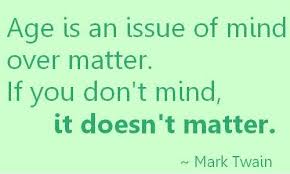
Do You Feel “Old?”

age2.jpg

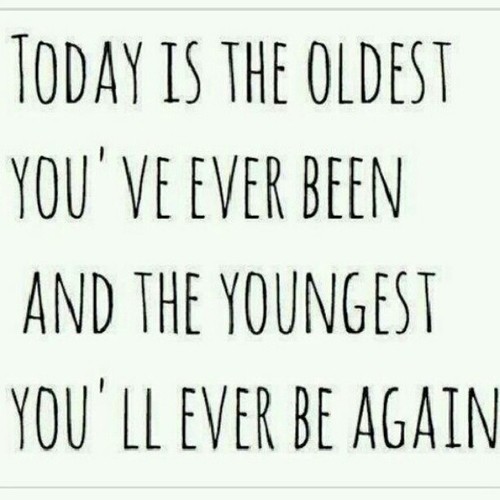
There is a lot of things that suck about getting older.

There is a reason they say getting old is not for the faint of heart.

Fine lines, high blood pressure, slower metabolisms, gray hairs, never-ending bills. Just to name a few.

Psychologically speaking, aging can be daunting, to say the least.

Then there is the narcissistic injury that comes with aging. NONE of us get to escape it. As we pass our prime, it is with a growing awareness that younger people coming after us haven’t yet reached their peak. You look at younger people and see the torch has been passed to a new generation. The generational guard has changed. It is THEIR turn. Yours has come and passed to a larger extent. The next generation is still building and designing their lives: education, marriage, kids, houses, careers, ambitions. Whereas you life in comparison feels relatively set.

It can be a bummer to say the least.

Perhaps “excitement” feels like an emotion of yesteryear.

And then of course is the startlingly realization there are no grown-ups. We suspect this when we are younger, but can confirm it once we reach a certain age.  Everyone is winging it, some just do it with more aplomb.

Yet there is also something extremely liberating about getting older: a shift in perspective, one that comes hard-won.

At some point you start to say to yourself: “I’m too old for this.”

This has become my M.O. for how I view certain things in life. I have been practicing it frequently and often, amazed at how I can ignore nuisances that once would have gotten to me or upset me. How much easier it gets with each passing year to be comfortable in your own skin.

Getting older helps you gain such awareness of yourself and all the trivial things you have wasted your time on over the years.

All the silly things that you spent your time and energy on. Oy. Wasted moments, days, months…(hopefully not years).

What have I come to realize I am too old for?

Judgments. My own (self-directed ones mostly). You know that voice in your head. The one saying you aren’t smart enough, strong enough, wealthy enough, pretty enough, thin enough. I’m trying not to judge myself so harshly for being human. For some reason, this non-judgment comes so naturally in my role as a clinician, working with others, but is more of a challenge with myself. I feel we struggle for years to accept our imperfections. Yet the fact remains we are all flawed. I can list off my many flaws– I sleep with my makeup on. I eat sweets more often than I should. I skip the morning workout session to get the extra 20 minutes of sleep to power through a 14 hour work day. I skip exercise on the weekends to do a bottomless mimosa brunch. I cannot draw or do anything artistic to save my life. I can on and on.

Letting others make my decisions.  When we are children, we yield to our parents. Sadly many people never outgrow this inclination to yield their decision-making to others. Some live their whole lives yielding to the will of others. Sure, you may have family/spouse/friends whose insight you may seek, but you are no longer making decisions based on what others think you should do. You are making decisions based on what is right for you. It’s liberating. There is nothing sadder than someone who lives their whole life living for the approval of others (which may never even be granted).

Expectations–Unrealistic ones specifically (both for myself and others). Figuring out how to manage my expectations without sacrificing my sense of idealism has been a struggle. I see the struggle play out with clients in our sessions, many who find it challenging to manage expectations in their relationships. It is so hard for many of us to accept other people are not here to meet our expectations. You see our expectations are based on our experiences and we all travel different paths on journey through life. I am mindful that all people have their own hopes, dreams, identities, ways of operating, and plans for their lives. Letting go of expectations are a must if you want to have an inner sense of peace and healthy, enduring relationships.

In my work as a therapist, I’ve met with many clients who share with me their disappointment with their friends, family, and coworkers. Disappointment is a soul crushing emotion. Clients share it is hard for them to let go and forgive the mistakes of others. Others cannot forgive themselves. I can relate to the feeling-I have been there far too many times than I care to admit. A huge part of my own personal growth was freeing myself from external expectations–the ones held by others towards me and vice versa. I gently remind clients (and myself) we are ALL doing the best we can at our personal level of development. It is important to live with an internal locus of control.

I am too old to keep my mouth shut when I see injustice— Life is not fair. That is a given. But I cannot enable bad behavior–especially in the large issues facing our society (in politics we see bad behavior playing out on the daily). I no longer want to keep my mouth shut when I see an injustice. Or feel one. It’s not that I never spoke out, there were times when I did, but it was usually on behalf of someone else. I never tolerated people mistreating people I cared about. But I learned life is short and the older you get your time is PRECIOUS.  We need to serve goals and issues outside of our selves.  Injustice to others is injustice to all.

Thinking something is the end of the world. Emotional scenes are tiring and pointless. Nothing is the end of the world. You have been through enough downs to know there eventually is an up. Reacting no longer seems necessary. If you get treated like shit, it would be wise to exit stage left.

Spending unnecessary time with people I don’t care for — I struggle to be around people who mean, petty, and close-minded. I think we all can relate to being in situations where people are squabbling over something asinine and thought what am I doing here? Life is too short to spend unnecessary time with people who are not in aligned with your values.  The friends you keep in your life have your back… you weed out the others. It saves a lot of emotional angst. Ones of the perks of getting older is your circle gets smaller, but with quality people.

I am too old to try to change people.  People’s youthful quirks can harden into adult pathologies. What is cute and harmless at 25 is pathological by 40. Be wary of people who are committed to the same misery instead of trying to change things for the better. By now I’ve learned, the very hard way, that what you see in someone at the beginning is what you get in perpetuum. I have come to realize people find comfort in the predictability, even the ritualization, of the same problems with the same people over and over again. Instead of going through the struggle of changing dynamics for the better, people rather stay stuck in the familiar misery they know.

Marriages, friendships, family relationships….people do-si-do, round and round until the music stops. People will go through the same toxic, unhealthy patterns just because it is familiar.

Toxic people? Sour, spoiled people? We should simply walk away. We get to not just be too old for but too wise for such nonsense.  At my age and in my field, I can spot trouble coming a mile away  (believe me, this is a big improvement). I spare myself a great deal of suffering, and as we all know, there is plenty of that to be had without looking for more.

To think I am special. Growing up, the “special” movement was full swing. Trophies for everyone! The fact remains more about you is universal than not universal. I feel a small percentage of us is unique but for the most part we are part of the cohort. A bit disappointing and also a relief.  We all have our own strengths and weaknesses. But the fact is, most of us are pretty average at most things we do.

For firsts. When we are young, we have plenty of firsts.  So many great new experiences! First day of school. First day of summer vacation. First date. First kiss. First real relationship. First terrible breakup. First real job. First… you get the point. When we’re young, life is full of firsts. I am too old for many firsts. But I look forward to not firsts, but different times. It may not be a first time but it will be a different time.

As you can see with time you evolve, just as the world does.  One upside to getting older? Research shows the older we get, the happier we are. Studies show as we get, our overall mental health, including mood,  sense of well-being and ability to handle stress, just keeps improving right up until the very end of life.

Something to look forward to.

To schedule a counseling session with me (AND if you are a reader in New Jersey):

https://anewcounselingservices.com/erin-theodorou%2Cm-ed-%2C-lpc

age


Your Opinion is NOT a Fact

a1

Is anyone else thrown by how many people confuse  OPINIONS with facts?

Our opinions are NOT facts.

For some of us, this is just stating the obvious.

However, it has become alarming, how many people believe that their opinion is fact. We incorrectly believe that IF we believe something, it is correct.  I mean, if WE believe it, it must be true. It holds true for us and we are ALWAYS right. Right!?!

Not so fast there. Looky below.

o·pin·ion

/əˈpinyən/
noun
  1. a view or judgment formed about something, not necessarily based on fact or knowledge.

Key words there: NOT necessarily based on fact OR knowledge.  Yet in American culture, society as a large has this tendency to focus on ourselves. Yes. Ourselves. The “I KNOW best” mentality has been perfected by many who walk among us. Some people who even lead our nation (not mentioning any names, hint, hint) hold this close-minded perspective. Some people view their opinions and views as Gospel.

Even worse, people feel ENTITLED to offer up their opinion. Their UNSOLICITED opinions. To you. Me. Anyone who will listen.

And we know what they say about opinions….

Over time, this universal bad habit of speaking our opinions as facts has developed in our culture. I know I fall into this trap myself when I am passionate about the subject. I try to catch myself when I am doing it. And sadly in this political climate–actual facts are being refered to as opinions. It is a WILD time to be part of the political discourse.  People are no longer swayed by facts, JUST opinions.

In this day and age, people outright refuse to BELIEVE facts.

It is not just in the political landscape this is playing out. People state their “opinions” as truisms of how others should live their lives.

People use their opinions as weapons to HURT other people. To belittle them. To make them feel less than.  (they even defend themselves for doing such by saying it is just THEIR opinion so you have NO right to be offended as they are “entitled” to it–even if their opinion is an INHERENT insult on you).

Gone are the days when parents tell kids to keep their opinions to themselves. Even in polite company adults do not keep their opinions to themselves. Many people just let whatever they think rip.

Whenever someone tells me what they “think” or “believe” as a directive, I already know the type of individual I am dealing with.  A person who most likely does not follow the “let’s agree to disagree” mindset I try to embody for the most part. Instead these sorts of people try to convince you how wrong you are for your views. The sad truth is we are living in increasingly intolerant times.

Many people are confused about what tolerance is. The word tolerate means to allow or to permit, to recognize and respect others’ beliefs and practices without sharing them, to bear or put up with someone or something not necessarily liked.

The tolerant person occupies neutral ground, a place where each person is permitted to decide for himself. No judgments allowed. No “forcing” one’s personal views on another. No belittling or demeaning a person who does not hold your views. Being tolerant entails taking a neutral posture towards another’s convictions.

Tolerance, then, involves three components: (1) permitting or allowing (2) a conduct or point of view one disagrees with (3) while respecting the person in the process.

Sadly America is becoming an increasingly INtolerant society.

As a mental health clinician, I gently work to help clients who struggle in their interpersonal relationships with intolerance and the ability to tolerate differences. I point out to my clients that what they feel and think is not universal. It is not healthy to measure others against our own values and viewpoints because we all have different values–different does not mean better or worse JUST dissimilar. We cannot hold people to our own beliefs and opinions if we want to have healthy, enduring relationships. We have to be tolerant of differences and give people the freedom to be who they are, without our unrequested judgement.

On the other hand, I know I tend to be INtolerant of intolerant people. I just don’t like to spend my time with people who feel the need to judge and denigrate anyone who does not live according to THEIR standards and beliefs. I feel life is TOO short for that negativity.

If we want healthy relationships with others, we need to be tolerant of others and their dissenting opinions.

As a counselor, people often as me for my opinion or advice which I tell them is not my role.   The role of a therapist is to present clients with a better comprehension of what motivates or causes them to act or think in the way that they do.

Psychotherapy should be a tool that guides people in making their own decisions.

The reality is many of our opinions are often not based on data. Or research. Or any absolute truth. Do you ever question how you reached your conclusion? Our opinions are often based on our feelings and emotions–both which are notoriously irrational and unreliable.

As a therapist, I often hear people diagnosing other people with mental health issues–playing armchair psychologist and flippantly diagnosing friends, family members, and politicians–anyone they DISAGREE with. Frequently I hear about people giving their “opinions” of the mental health of other people as a way to pigeonhole and categorize them—with no background or training in psychology.

This is just another reflection of intolerance.

Why does it matter to understand the difference between fact and opinion? Because although everyone is entitled to an opinion, not all opinions are equally valuable. This is precisely why opinions by “experts” are more valued in court testimony and evaluative reporting because they are more likely to provide opinions based on facts. Based in knowledge.

a2

People often try to shut down another by saying, “That’s just YOUR opinion” as in to say what you are saying is a statement of opinion but in contrast what they are saying is a statement of FACT. A pernicious statement to make to say the least.

It is not always good to form an opinion on everything AND anything because in turn you feel internally compelled to share it with everyone and anyone.

For instance you may:

  • You spend time thinking imaginary arguments with others about how horrible they are.
  • You may actually engage in those arguments, in REAL life, wasting even more time.
  • You look for arguments and debates to get into.
  • You make other people feel bad. They either feel annoyed by you, angry with you, or offended about what you say.

Unless your goal is controversy and outrage, you should limit your opinions to topics that truly matter to you and topics you are INFORMED on. Opinions should be educated and based in evidence. Not just emotion BUT also logic and FACTS.

We need to stop having an opinion on everything. I don’t have opinions on MANY things–from stock portfolios to cooking to football to how to do anything crafty on Pinterest: I am opinionLESS (my lack of knowledge in football=pointed our frequently by my hubby). You need to be confident in what you know and be humble about what you DON’T know.

It seems as though intolerance of other people’s opinions infiltrates all different aspects of our lives. Here is to hoping we can someday grow more tolerant of our differences. In my “opinion” the growing intolerance in our nation is concerning. It is OKAY if someone disagrees with us for our opinion has the right to be expressed, but it has no rights to be imposed on others.

But, hey, what do I know?! These are just my “opinions.”


Adverse Childhood Events: How a Rotten Childhood Can Linger On

Happiness, trust, love, self-worth, the ability to be open and vulnerable–all can be lost through the ordeal of a bad childhood.

Often in therapy sessions, many adult patients trace their current struggles back to their childhood. Some people really struggle with moving pass their formative years if they experienced pain and adversity. Freud famously posited that our lives are pretty much determined by events in our early childhood. We all know counseling gets a bad rap for its tendency to blame parents for all the problems a person has long into adulthood.  To state the obvious– the case can be made that blaming parents for adult problems in a cop-out. It is of course easier to blame your parents than take personal responsibility. At some point, it is fair to say, whoever we are and whatever we may have experienced, we do need to let it go. Unfortunately, this is easier said than done for those who experienced childhood as unstable and uncertain.  The wounds of a rotten childhood can be all but healed. The pain of the past haunts many who walk among us.

Anger taken too far is often at the center of many therapy sessions. As a clinician I have seen people express deep-seated anger at their parents (and I am talking well into middle age). From my experience as an in home counselor for a mental health agency, which is often mandated counseling, I also got to see firsthand the impact traumatic events had on the development of children. Many children who experienced trauma during their formative years developed debilitating anger. How this anger presented varied but the impact being detrimental to a client’s mental health would always hold true. I often wondered how these experiences would impact these youngsters in their adulthood, long after I would be gone from their lives.

Growing up with unstable parents is inevitably hard. Living in an unpredictable home environment can be severely traumatizing. It is all to easy to blame one’s upbringing for the problems that follow us through life.

Parents are an easy target to dump blame on. I struggle as a clinician to pinpoint down an exact age where parents need to stop being so central to treatment–is it by college? One’s 20s? 30s? Never? There is no clear-cut answer. And while it is not beneficial to blame your parents for all your problems, there’s no doubt that parents and other caregivers are pivotal figures in a child’s development. We also can see for some people, the impact is still very much present in their adult lives. The effects of a difficult childhood can linger long after it is over.

Our early childhood experiences do shape us to a large extent. For many of us our earliest memories are positive–times filled with great love and affection from our parents or caregivers. Many of my earliest memories in life are of much affection from my parents and of me constantly asking my father, “UP” (up as in to carry me around because I loved being carried by “daddy”–probably a bit passed the age I should have been asking!) These are fond memories I hold dear and the feelings of love from that time I can still feel within me.

Children need to feel loved and valued. If they don’t, it will almost certainly impact their mental health and well-being.

Yet the sad reality is many people experience disruptive and harmful events that hinder their psychological and emotional development. Example of such events include parental divorce, death of a parent, frequently moving and switching schools, abuse (physical, mental or emotional), parental mental illness, and poverty.  Many times childhood adversities are interrelated. For instance, a parental divorce can lead to a change in socioeconomic status for many families. Research has found that people who experienced “ACEs” are at a much greater risk to develop mental health issues in adulthood include being a greater risk for suicide.

ACEs are “adverse childhood experiences” that can bring on struggles for a person in their adulthood. ACE is well-studied part of developmental psychology. Sadly people with a history of ACEs often pass on the dysfunction to the next generation. These are events beyond a young person’s control. Many times in transgenerational family therapy the counselor examines the interactions of clients across generations as a method to understand and explain current problems within the family system, as well as predicting future difficulties. A genogram can map out family relationships across the generations.

I copied and pasted below a Adverse Childhood Experience questionnaire for you to take to see how many you may have experienced.

While you were growing up, during your first 18 years of life:

1. Did a parent or other adult in the household often …
Swear at you, insult you, put you down, or humiliate you?
or
Act in a way that made you afraid that you might be physically hurt?
Yes No If yes enter 1 ________
2. Did a parent or other adult in the household often …
Push, grab, slap, or throw something at you?
or
Ever hit you so hard that you had marks or were injured?
Yes No If yes enter 1 ________
3. Did an adult or person at least 5 years older than you ever…
Touch or fondle you or have you touch their body in a sexual way?
or
Try to or actually have oral, anal, or vaginal sex with you? Yes No If yes enter 1 ________

4.Did you often feel that …
No one in your family loved you or thought you were important or special?
or
Your family didn’t look out for each other, feel close to each other, or support each other?
Yes No If yes enter 1 ________
5. Did you often feel that …
You didn’t have enough to eat, had to wear dirty clothes, and had no one to protect you?
or
Your parents were too drunk or high to take care of you or take you to the doctor if you needed it?
Yes No If yes enter 1 ________
6. Were your parents ever separated or divorced?
Yes No If yes enter 1 ________
7. Was your mother or stepmother:
Often pushed, grabbed, slapped, or had something thrown at her?
or
Sometimes or often kicked, bitten, hit with a fist, or hit with something hard?
or
Ever repeatedly hit over at least a few minutes or threatened with a gun or knife?
Yes No If yes enter 1 ________
8. Did you live with anyone who was a problem drinker or alcoholic or who used street drugs?
Yes No If yes enter 1 ________

9. Was a household member depressed or mentally ill or did a household member attempt suicide?
Yes No If yes enter 1 ________
10. Did a household member go to prison?
Yes No If yes enter 1 ________
Now add up your “Yes” answers: _______ This is your ACE Score

Many people may take this questionnaire and answer one or none. Other people, regardless of race, socioeconomic background, or gender, may find themselves checking off yes to quite a few adverse childhood events.

So why does this matter?  For one, such adverse events impact the development of one’s identity which takes place across the lifespan. If you experienced the aforementioned events in childhood, most likely basic survival took over for you, which impedes the normal development of self.  Worse as a child we have no frame of reference. Thus one experiences this dysfunction as normal because the behavior of their caregivers is all they know. Often people get stunted at the age of said trauma. That is why as a therapist we may diagnose someone at being at the emotional development of a 12-year-old yet their chronological age is 45.

The task of identity development is challenging enough in and of itself when one comes from a safe, secure, upbringing. If one is struggling with the after effects of development trauma, the process will be especially difficult to master. The adult consequences of trauma are vast–often resulting in substance abuse issues, depression, anxiety, behavioral issues, difficulty in personal relationships, and difficulties with maintaining employment. Often our childhood trauma impacts the way we are effectively able to parent out own children.

Furthermore, we see broken adults come from homes where abuse-physical, emotional, mental was present and are more likely to develop complex post traumatic stress disorder (cPTSD).

Complex Post Traumatic Stress Disorder (cPTSD) is characterized by difficulties with emotional regulation, consciousness and memory, self-perception, difficulties in relationships with other people, distorted perceptions, and negative effects on one’s  life.

Even if you find you have not experienced the adverse childhood events of the questionnaire, none of us grow up unscathed from pain and hardship, in whatever form it presents in your life. Learning how to deal with negative emotions and experiences are a part of growing up. You grow up every day, no matter what your age.

No matter what your past, it is NEVER too late to better your life with positive experiences and overcome the long shadow of childhood adversity. Don’t get stuck in the past which hinders your ability to live the life you want in the present. It is important to remember even in adulthood such events can be remedied. Counseling can help you to process and overcome the trauma of one’s childhood. Often we need to work through the pain in order to release it. Repressing it, denying it, or suppressing our feelings will not remedy the situation. If you are willing to put in the work, you can tap into your inner resiliency and lead a happier, healthier life.

berkeleybreathed1

Dislike vs. Hatred: Why We Feel These Emotions Towards Others

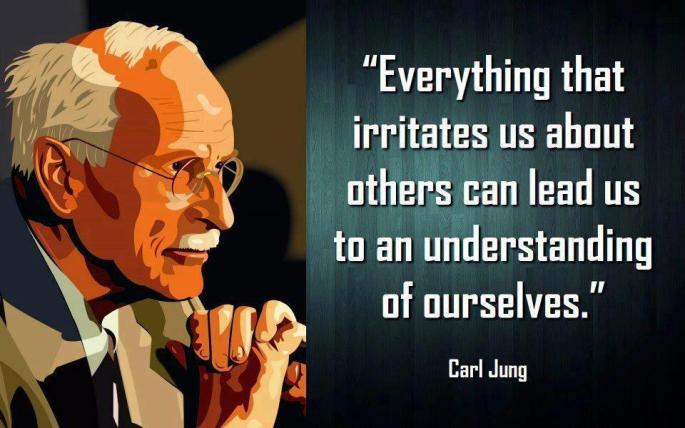
Carl-Jung-irritates-us-about-others

Why do certain people irritate us or rub us wrong while others don’t?

You can be the most loving, kind, down to earth, open-minded person on the planet and STILL get extremely annoyed by certain people.

There are billions of us on the planet. The fact is we are not going to get along with everyone.

I can remember years ago studying Carl Jung who famously said, “Everything that irritates us about another can lead up to an understanding of ourselves.”

This may be a tough idea to get behind for many of us. For instance, if we don’t care for someone who is selfish, we wouldn’t think we dislike this individual because we, ourselves, are in fact selfish.

Yet Jung purported that if you are open enough to the idea, what you dislike about others, can teach you about yourself.

I think it is easier to apply this when the shoe is on the other foot. What I mean by this is it is easier to apply this theory when other people project their negative qualities onto us instead of when we are projecting our negative qualities onto someone else. I remember a couple of times in my past when people projected onto me the qualities that were in fact their own. Before I was trained as a psychotherapist, in all likelihood I  would have reacted. Being in this profession, I am cognizant of when someone is projecting and knowing this, I feel no need to react (although  being human I do slip up from time to time and always kick myself for doing so)!

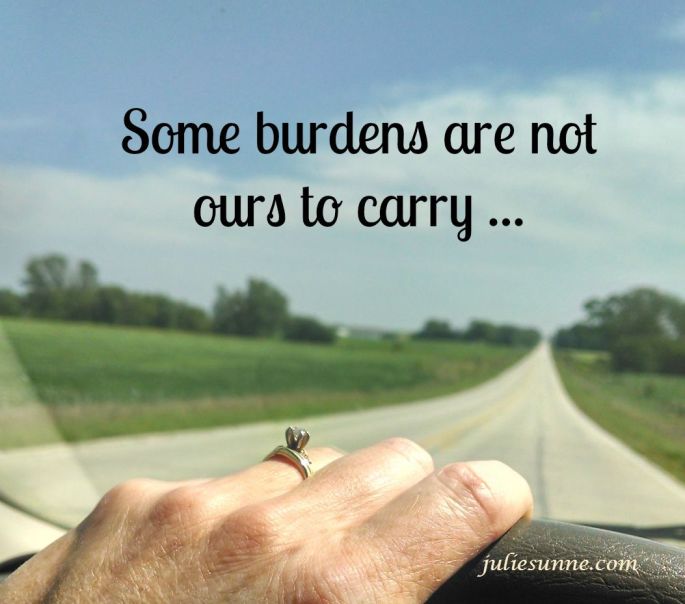
There is no need to react or defend ourselves against other people’s projections. Those projections are theirs. We do not need to OWN other people’s stuff.

some-burdens-are-not-ours

Usually when someone is projecting, they are trying to offload their negative qualities onto you.

Thus when someone is dumping their disowned feeling on you, if you are conscious enough, you cease the need to react at all.

The fact is everyone is your mirror. 

According to Jung, we all have a shadow self.

The shadow is irrational, prone to psychological projection, in which a perceived personal inferiority is recognized as a perceived moral deficiency in someone else (Jung).

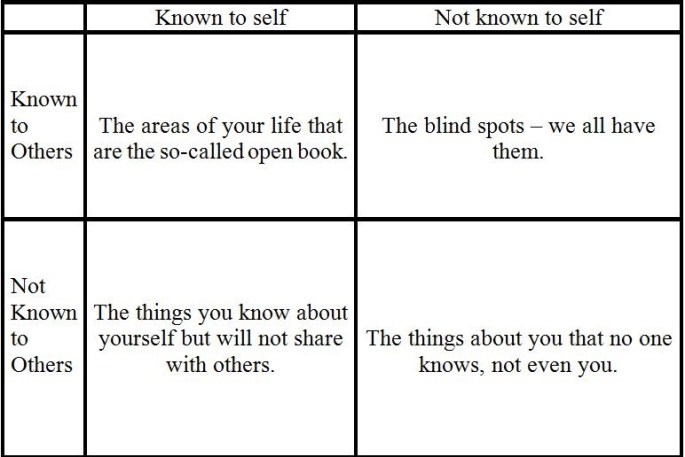
Our shadow is an innate part of ALL of us, yet the vast majority of us are blind to its existence. 
jung

Many of us do our best to hide our negative qualities, not only from others but from ourselves. Thus we often criticize and condemn others to ensure the focus does not fall our destructive tendencies and fault. 

Many of us are only conscious of our persona. The persona is the social mask we as individuals present to the world. It is the public image of someone.

johari-window

Underneath the mask we show to the world, our shadow remains unconscious and can wreak havoc in our life.

The Shadow is all the thoughts and emotions we repress as being socially inappropriate. Rage, envy, jealousy, schadenfreude (the pleasure we derive from another person’s misfortune).  This is all shadow material.  The more we repress shadow material, the more of a hold it has on us.

But what about if we are talking about people we don’t merely dislike but people we hate?

See when we dislike someone, we simply avoid this person. We don’t feel the need to rage about them, yell at them, fixate on them. We do not want to get into a back and forth with them. Dislike suffices. We just move on with our life and limit our contact with this person as much as humanly possible.

Hatred is a whole other animal. Hate often arises because we see another as an “enemy.” In this enemy we see a part of ourselves we hate. Yet whatever we hate about our “enemy” can be explained by simple fact: they trigger dormant feelings of shame and inferiority.

The more insecure you are, the more you feel attacked by others, regardless of whether they are in actual attacking you or not.

How insecure you are will play a factor in whether you merely dislike someone or if you hate them.

Dislike vs. Hatred

Let us differentiate between mere dislike and hatred. When you dislike someone, you rather NOT be around them. You do not want to interact with them because it is unpleasant. You do not wish ILL on this person and if anything you feel apathetic for them. Many you even pity them because you recognize how unhappy and miserable they are by their behavior. When you dislike someone, you don’t care to give them much thought or energy.

Disliking people is normal throughout life. Yet for the most part, we are going to be neutral towards people. We will not like them NOR dislike them.

Hatred, on the other hand, means you consider a person an enemy and a threat. Thus you are invested in their destruction. You wish ill on them and want to see them destroyed.

When you hate someone:

~you obsess over them. You will gossip and smear them to anyone who listens. You cannot let go of what they said or did.

~you feel good when something bad happens to them. If something good happens to them, you try to minimize it or dismiss it.

~you try to convince others of how horrible and evil this person is. You think people must know the “truth” about him or her. You desperately seek confirmation from others about how horrible this person is.

Long story short, the difference between hatred and dislike is the former involves time and effort while the latter involves apathy.

Personally, I have people I dislike but hatred to me is not something I allow myself to engage in because I am conscious of the fact it would just make ME miserable and unhappy. It also takes WAY too much energy and time to hate someone (and who has that?!) It destroys the person who feels it not the target of contempt and disdain. I believe is certain situations we all are capable of feeling hatred towards another person in passing but this emotion is not a fixture in our lives.

In psychologically unhealthy people, hatred may be felt by anyone who dare challenges their worldview or opinions (any famous figures coming to mind?!)

When you hate someone you feel compelled to verbally spar with them not because you want to win but you don’t want to lose. (Once again, people we hate trigger in us shame and inferiority). A person you just dislike, you don’t care to get into it with them. To you, it isn’t worth the energy. If you dislike someone, you aren’t being triggered by shame and inferiority. The person’s behavior just rubs you wrong (maybe they are in fact just obnoxious). And hey, if Jung has taught us anything, it is that we TOO can be obnoxious and rub people wrong!

Although most people would never acknowledge it, people who hate other people generally hate someone who they feel threatened by or triggers their feelings of inferiority.

You usually hate someone who exposes or highlights your issues, baggage, and insecurities. 

If you hate someone, you feel that this person is trying to expose your flaws to the world. Hatred is a very irrational emotion. The fact is most people are not interested in exposing your flaws (unless they are abusive or a bully). Most of us are just trying to hide our own flaws.

Hatred is a slippery slope. It is not wrong to get threatened or angry with other people, yet in taking it to the level of hatred, you are dwelling and ruminating on your own hate.

If we hate someone, we feel they are diminishing us. If you feel this emotion, it is time to begin the process of release.

Counseling may be a good place to start to weaken the grasp this toxic emotion has on you.

Hate will not go away on its own. You need to actively work at releasing its toxic hold on you.

Hate makes us want to fight. Dislike makes us want to not engage.

Hate makes us irrational. Dislike makes us rationalize.

Hate makes us want to smear the person to ANYONE who will listen. Dislike makes us not even care to mention the person’s name because they aren’t on our mind.

Hate makes us want to seek revenge. Dislike makes us avoid the unpleasantness of dealing with this individual.

It is possible to move from hatred to dislike.

Release the judgements.

Move on with your own life.

Being compassionate can mean walking away without saying ANYTHING. Often no answer is the best answer.

When we are at peace with ourselves, we stop being at war with others.

To schedule a counseling session with me (AND if you are a reader who lives in New Jersey):

https://anewcounselingservices.com/erin-theodorou%2Cm-ed-%2C-lpc

Anew Counseling Services LLC

617 Oradell Avenue, Suite 3, Oradell, New Jersey, 07649

(551) 795-3822
tamanna@anewcounselingservices.com